
Why Some Rooms Stay Hot While the Rest of the House Feels Cool
What You'll Learn
- Understand the most common HVAC causes of hot and cold spots
- Learn how airflow and duct issues affect room-by-room comfort
- See how technicians diagnose uneven cooling step by step
- Know which repairs or upgrades may restore balanced temperatures
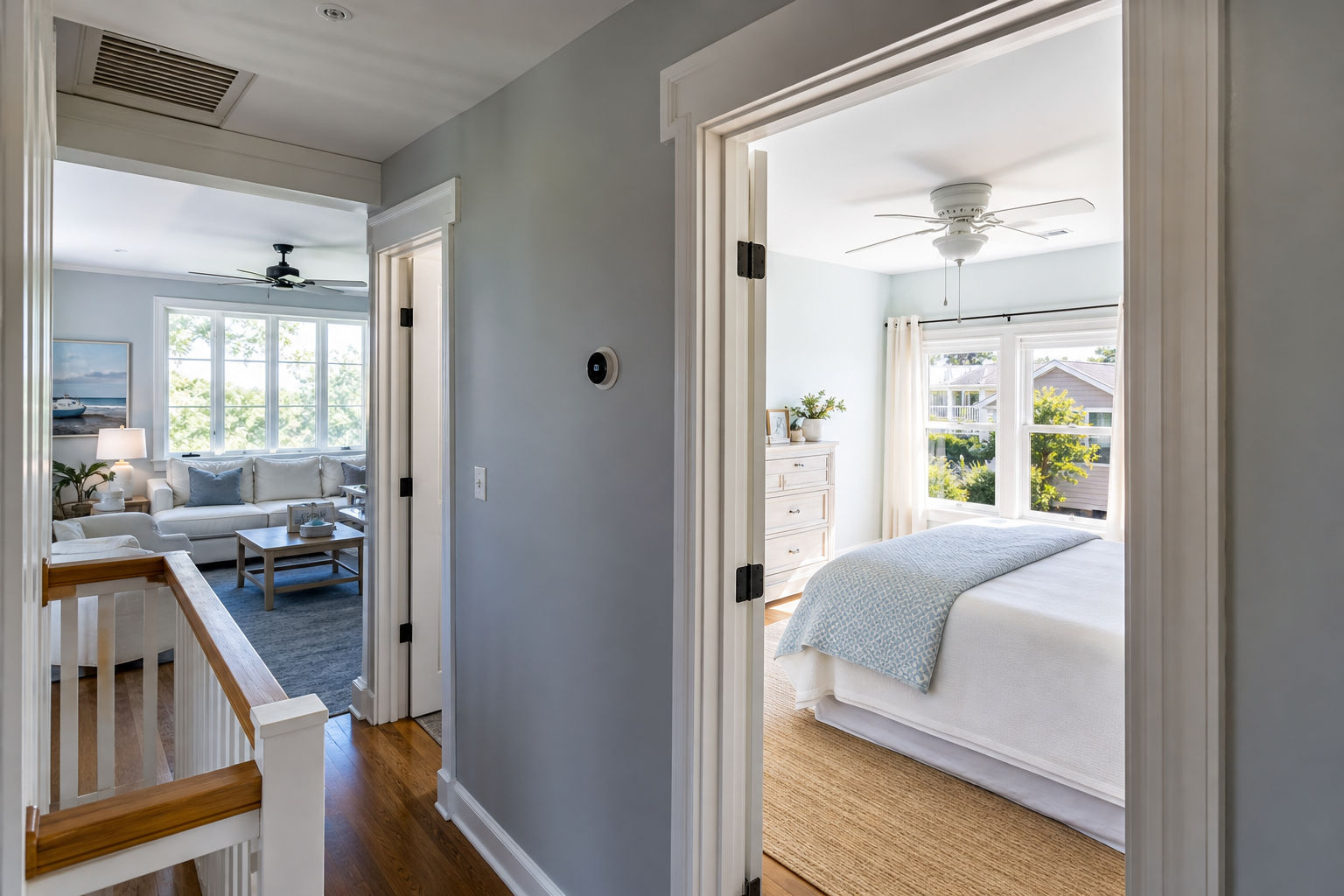
If one bedroom feels stuffy every afternoon while the living room stays comfortable, your air conditioner may be cooling the house unevenly rather than failing completely. This is a common complaint for homeowners and business owners in Charleston, Mount Pleasant, and Summerville, especially during long coastal heat and humidity. Hot spots often trace back to airflow restrictions, duct problems, aging equipment, or thermostat location issues that keep the system from responding to what is happening in the warmest room.
At First Call Heating & Cooling, uneven cooling is treated as a whole-system problem, not just a single-room annoyance. An experienced air conditioning contractor looks at how air is supplied, how it returns to the system, how the thermostat reads temperature, and whether the equipment can still deliver consistent performance. In many cases, the room that stays hot is giving you an early warning that the HVAC system needs repair, adjustment, or a better distribution strategy.
Why uneven cooling happens
Air conditioning systems are designed to move a specific amount of air through the home. When that airflow is interrupted or misdirected, some rooms receive less conditioned air than others. The result is a house that technically has cooling, but not balanced comfort. Homes in North Charleston, West Ashley, and Goose Creek often see this problem in bonus rooms, upstairs bedrooms, additions, and spaces farthest from the air handler.
- Leaky or poorly sealed ductwork
- Weak return airflow or undersized returns
- Closed, blocked, or dirty supply vents
- Aging AC equipment losing performance
- Thermostat placement that misreads indoor conditions
- Dirty filters or blower issues reducing air movement
Some of these issues are simple, while others require deeper testing. If your AC also has other warning signs, such as strange sounds or a sudden rise in operating cost, those symptoms can help narrow the cause. Related issues are covered in What Strange AC Noises Mean and When to Call for Repair and Why Your Energy Bills Spike in Summer Even When Your AC Seems Fine.
Duct leaks can starve certain rooms of cool air
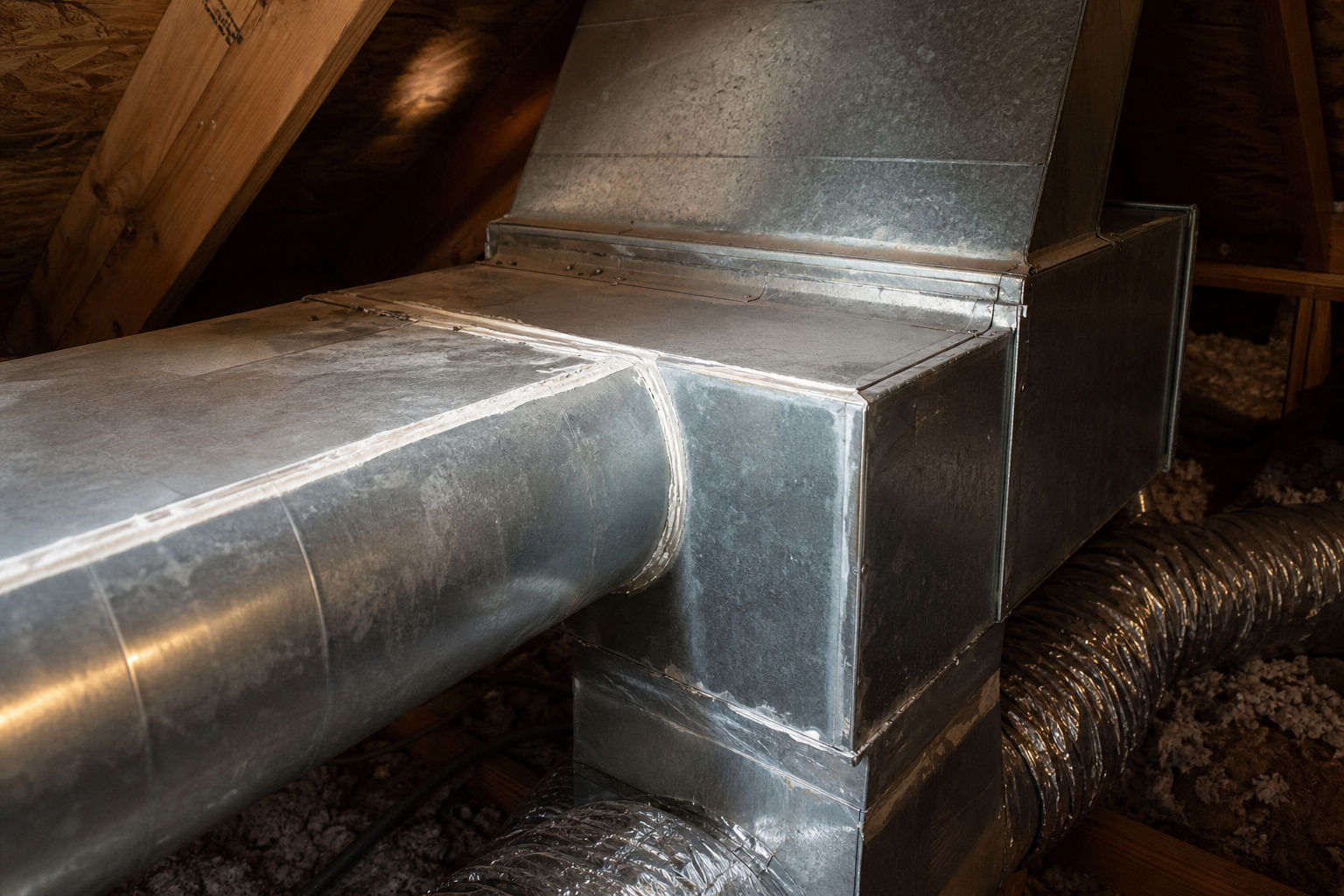
Ductwork is the delivery system for conditioned air. If ducts are leaking in an attic, crawl space, or wall cavity, cooled air may escape before it ever reaches the room that needs it. Even a small leak can reduce airflow at the far end of a branch run, making one room feel warm while the thermostat area feels fine. In older homes around James Island, Johns Island, and Ravenel, aging duct connections and deteriorated insulation are frequent contributors.
An HVAC contractor may inspect visible duct runs, test airflow at registers, and look for temperature differences that suggest losses in the duct system. Sealing leaks, reconnecting loose sections, insulating ducts properly, or redesigning problem runs can often improve comfort without replacing the entire air conditioner.
Poor return airflow can trap heat in isolated spaces
Supply vents push cool air into rooms, but the system also needs return airflow to pull warmer air back to the unit. When return air is restricted, the room can become pressurized and struggle to circulate properly. This often happens when bedroom doors stay closed, returns are undersized, or a room has no effective path for air to get back to the system. The room may receive some cool air, but not enough movement to remove heat consistently.
Hot upstairs rooms, conference rooms, and closed-off offices often point to this kind of imbalance. A technician may check static pressure, inspect return grilles, and evaluate whether transfer grilles, jump ducts, or return modifications are needed. Balanced airflow is one of the most important parts of solving persistent hot spots.
Blocked vents and dirty filters create avoidable comfort problems
Furniture over a register, closed supply vents, heavy dust buildup, or a clogged air filter can all reduce airflow enough to create uneven temperatures. In some homes, occupants close vents in cooler rooms hoping to force more air into warmer rooms. In reality, that can increase system pressure and make distribution worse. Before scheduling service, it is smart to check the basics, including filter condition and whether vents are open and unobstructed. For more homeowner checks, see What Charleston Homeowners Should Check Before Calling for AC Repair.
These simple issues are not always the full answer, but they are worth ruling out early. If the filter is heavily loaded or airflow has been weak for a while, the blower and evaporator coil may also need inspection by an air conditioning repair service professional.
An aging system may cool, but no longer cool evenly
Older AC systems can still run and lower the temperature near the thermostat while struggling to keep up in distant rooms. Wear on blower components, declining efficiency, weakened motors, dirty coils, and reduced capacity can all show up first as uneven cooling. This is especially noticeable during peak summer demand in places like Hanahan, Ladson, and Moncks Corner, when the system has less margin to overcome heat gain.
If your system cycles longer than it used to, struggles in the afternoon, or leaves certain rooms warm every day, an HVAC contractor can test performance and determine whether repair is practical or whether replacement should be considered. If you are comparing providers for that conversation, How to Choose an HVAC Contractor in Charleston for AC Repair or Replacement can help you evaluate your options.
Thermostat placement can hide a problem
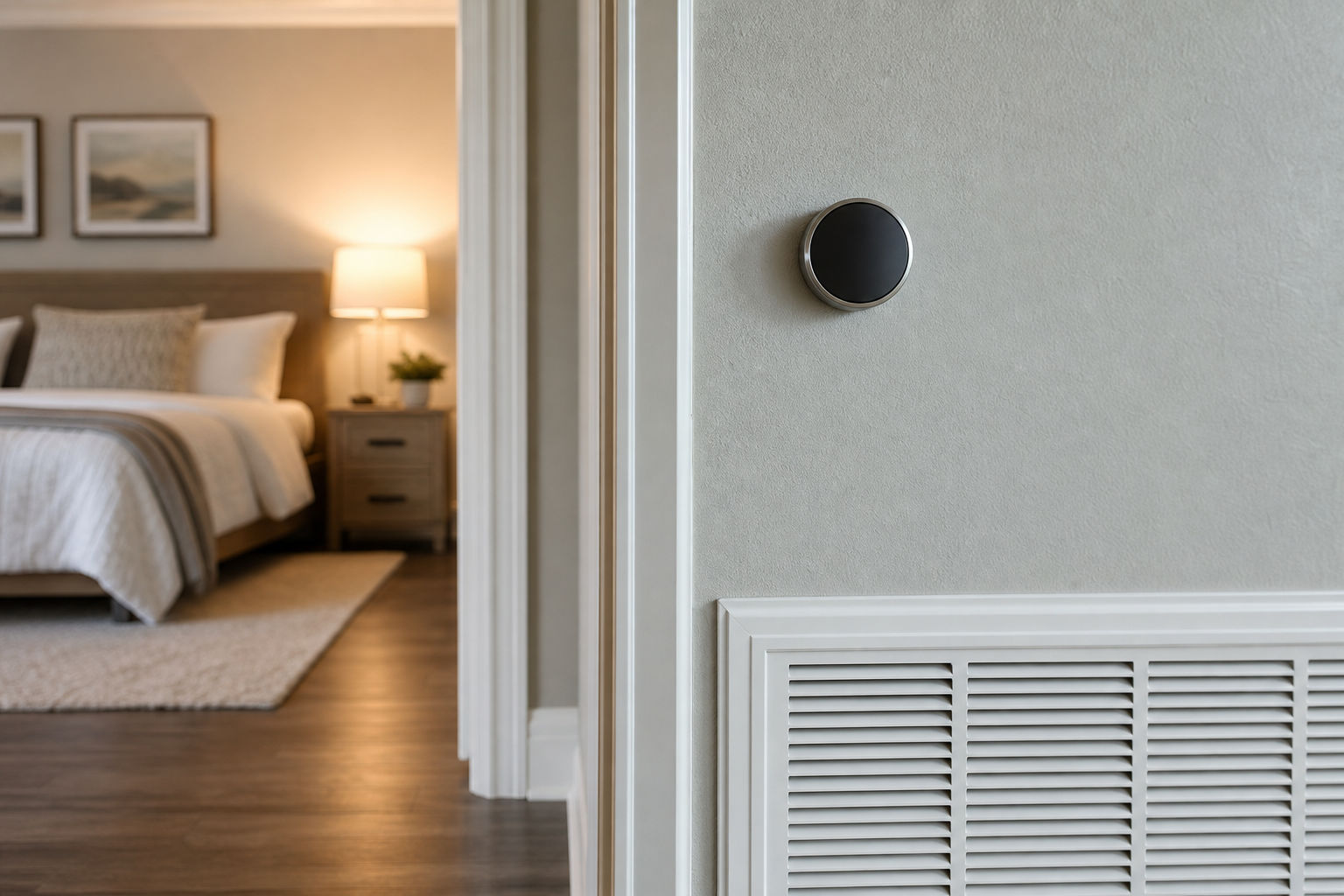
The thermostat tells the system when to turn on and off, but it only measures the temperature where it is installed. If it is located in a naturally cooler hallway, near a return grille, or away from sunny rooms, it may satisfy the cooling call before the warmest areas are comfortable. That means the system is doing exactly what the thermostat is asking, even though the house feels uneven.
During diagnosis, technicians consider whether thermostat placement is giving the system an incomplete picture of indoor conditions. In some homes, relocating the thermostat, upgrading controls, or using zoning or remote sensors can improve room-by-room comfort significantly.
How an HVAC contractor diagnoses hot spots
Solving uneven cooling starts with gathering the right information. A technician will usually ask which rooms are hot, what time of day the problem is worst, whether doors stay closed, and whether the issue is seasonal or constant. From there, the inspection may include airflow readings, supply and return temperature checks, duct inspection, filter and blower evaluation, thermostat review, and a general assessment of equipment condition.
- Confirm which rooms are affected and when the issue occurs
- Inspect vents, filters, returns, and visible airflow restrictions
- Measure airflow and temperature split at key registers
- Check duct integrity, insulation, and possible leakage points
- Review thermostat location and system cycling behavior
- Recommend repair, balancing, duct work, or equipment solutions
If the system also produces odors, moisture concerns, or signs of coil-related problems, those clues matter too. For example, musty smells can point to separate indoor air or drain issues that affect overall operation, as explained in Why Your AC Smells Musty When It Turns On and What It May Signal.
Solutions that may restore balanced comfort
The right fix depends on the cause. Some homes need duct sealing and airflow balancing. Others need return improvements, blower repair, coil cleaning, thermostat relocation, or replacement of aging equipment that no longer performs evenly. In buildings with layout challenges, zoning or control upgrades may offer better comfort where a single thermostat cannot.
Prompt attention matters because uneven cooling rarely stays limited to comfort alone. Rooms that run hot can encourage occupants to overwork the system by lowering the thermostat, which increases wear and energy use. If the imbalance becomes severe during a heat wave or the system stops keeping up altogether, emergency service may be needed, and What to Expect From a 24/7 Emergency AC Repair Visit in the Charleston Area explains that process.
When to schedule professional AC service
If one or more rooms in your home or business stay consistently warmer than the rest, professional diagnosis can save time and prevent guesswork. First Call Heating & Cooling provides service throughout Charleston, North Charleston, Mount Pleasant, Summerville, and surrounding communities, helping property owners identify why cooling is uneven and what repairs or improvements make sense. Whether the issue is a blocked return, duct leakage, thermostat placement, or an aging system, a qualified HVAC contractor can help restore more even comfort across the space.
Source: duct sealing guidance