Why Your Energy Bills Spike in Summer Even When Your AC Seems Fine
What You'll Learn
- Spot hidden HVAC problems that raise cooling costs
- Know when high bills point to airflow or duct issues
- Learn which aging parts hurt efficiency before failure
- Use a simple framework to decide when to schedule service
It is frustrating to open a summer power bill in Charleston or Mount Pleasant and see a sharp increase even though your air conditioner still turns on, cools the house, and does not seem to be in obvious trouble. In many homes and light commercial properties, rising cooling costs are caused by efficiency losses that develop quietly. The system may still maintain the thermostat setting, but it has to run longer, work harder, or cycle less effectively to do the same job.
For property owners across North Charleston, Summerville, and nearby communities, that usually means the issue is not a dramatic breakdown. It is often a combination of restricted airflow, leaking ductwork, aging electrical or mechanical components, thermostat inaccuracy, or maintenance that has been postponed for one season too many. Understanding these hidden causes can help you decide whether a higher bill is just the result of hotter weather or a sign that your HVAC system needs professional attention.
Why an AC Can Seem Fine but Still Cost More to Run
An air conditioner does not have to stop cooling to become inefficient. As components wear and conditions inside the system change, the unit may gradually lose performance. That decline can be hard to notice day to day because it happens in small steps. A homeowner may only realize something is wrong after comparing utility bills from one month to the next.
In the Charleston area, summer humidity makes this even more noticeable. Your AC is not only lowering temperature; it is also removing moisture from indoor air. When airflow is weak or refrigerant-side performance slips, the system may struggle to manage both tasks efficiently. If your unit runs constantly, that is often a clue that operating costs are climbing, even before a complete repair is needed. If that sounds familiar, you may also want to read Why Your Charleston-Area AC Runs Constantly but Still Struggles to Cool.
Five Hidden HVAC Issues That Commonly Raise Summer Energy Bills
1. Airflow restrictions
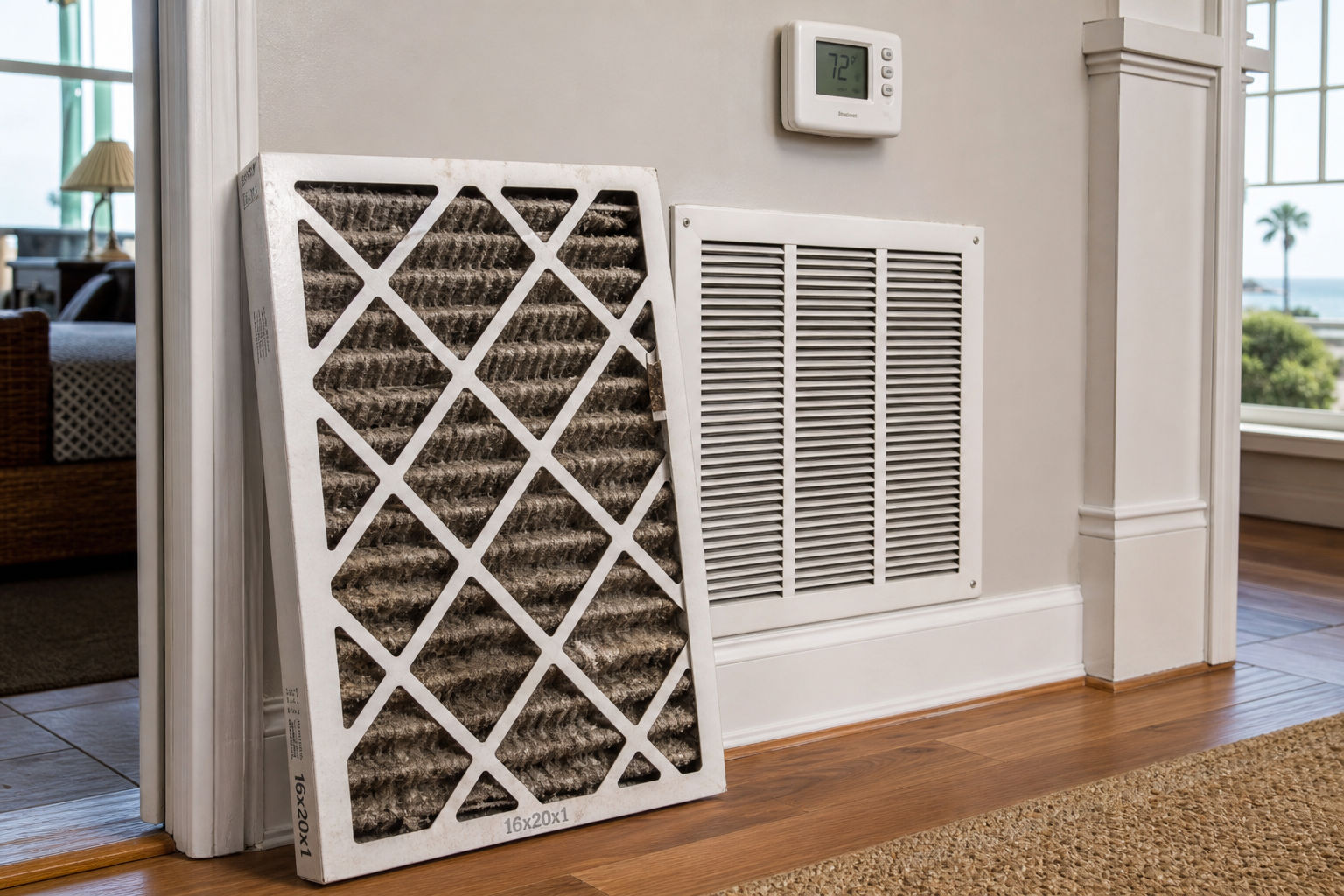
Restricted airflow is one of the most common reasons a system uses more electricity without fully failing. Dirty filters, blocked return vents, closed supply registers, matted evaporator coils, and blower problems can all reduce the amount of air moving through the system. When that happens, your AC may run longer to cool the same square footage, and that extra runtime shows up on your bill.
Airflow issues can also create uneven temperatures from room to room. In a larger home on Johns Island or a business space in Goose Creek, weak circulation may cause certain areas to stay warm while the thermostat keeps calling for more cooling. The result is more wear on the equipment and less comfort indoors.
2. Aging components that still work, but not efficiently
Capacitors, contactors, blower motors, condenser fan motors, and other components can weaken over time before they fail completely. A system with aging parts may still start and cool, but it can draw more power, struggle to maintain design performance, or operate less consistently during peak afternoon heat. This is especially common in older systems that have not had a recent tune-up.
When a unit is nearing the later years of its service life, rising bills may be one of the first signs that repair-versus-replacement should be discussed. For a broader look at that decision, see Should You Repair or Replace Your AC in 2026? A Local Guide for Charleston-Area Property Owners.
3. Thermostat miscalibration or control problems
A thermostat does not need to go completely blank to cause trouble. If it reads indoor temperature inaccurately, is poorly placed, or has programming issues, your AC may run longer than necessary. A few degrees of error can lead to hours of extra cooling over the course of a humid Charleston summer. In commercial settings, scheduling errors can also keep equipment running during unoccupied periods.
4. Duct leakage and distribution losses
Leaky ducts are a major hidden source of wasted energy. Conditioned air may escape into attics, crawl spaces, wall cavities, or unconditioned utility areas before it ever reaches the rooms you are trying to cool. That means the equipment has to produce more cooling to make up the difference. In older homes in West Ashley, James Island, or Hanahan, duct leakage can significantly affect both comfort and monthly operating costs.
Duct issues can also contribute to pressure imbalances, dust problems, and humidity complaints. Because the ducts are out of sight, many property owners assume the AC itself is the problem when the real issue is in the air distribution system.
5. Deferred maintenance
Seasonal maintenance is not just about preventing breakdowns. It also helps preserve efficiency. Dirty coils, loose electrical connections, clogged drains, low airflow, and small performance issues can all reduce system efficiency long before they create a no-cooling call. If maintenance has been delayed, a summer bill spike may be your first warning that the system is no longer operating as efficiently as it should.
When a Higher Summer Bill Justifies an HVAC Inspection
Not every increase means something is wrong. Summer weather, occupancy changes, and longer daylight hours can all affect cooling demand. But certain patterns point more strongly to an HVAC-related cause. If your bill jumps sharply compared with the same month last year, if your AC runs much longer than usual, if some rooms feel muggy, or if the system struggles in the hottest part of the day, those are good reasons to schedule a professional evaluation.
You should also pay attention if your system has started short cycling, freezing up, or making up for performance losses by running in unusual patterns. Those symptoms often overlap with efficiency problems. Related reading like Why Your Charleston-Area AC Is Short Cycling and What It Could Mean and Why Your AC Keeps Freezing Up in Summer and What to Do Next can help you recognize when a rising bill is part of a larger issue.
A Practical Framework for Property Owners
- Compare your current bill to the same period last year, not just the previous month.
- Check the simple items first: filter condition, blocked vents, thermostat settings, and obvious airflow problems.
- Note any comfort changes such as hot spots, high humidity, constant running, or weak airflow.
- Consider the age of the system and the date of the last professional maintenance visit.
- Schedule an HVAC inspection if costs are rising and the system is showing even mild performance changes.
This approach helps separate normal seasonal variation from a problem that deserves professional diagnosis. In places like Daniel Island, Ladson, and Moncks Corner, many owners wait until the AC stops cooling entirely. The better time to act is often earlier, when the system is still functioning but wasting energy. Catching issues at that stage can improve comfort, reduce strain on the equipment, and lower the risk of a mid-summer breakdown.
What a Professional HVAC Inspection Can Reveal
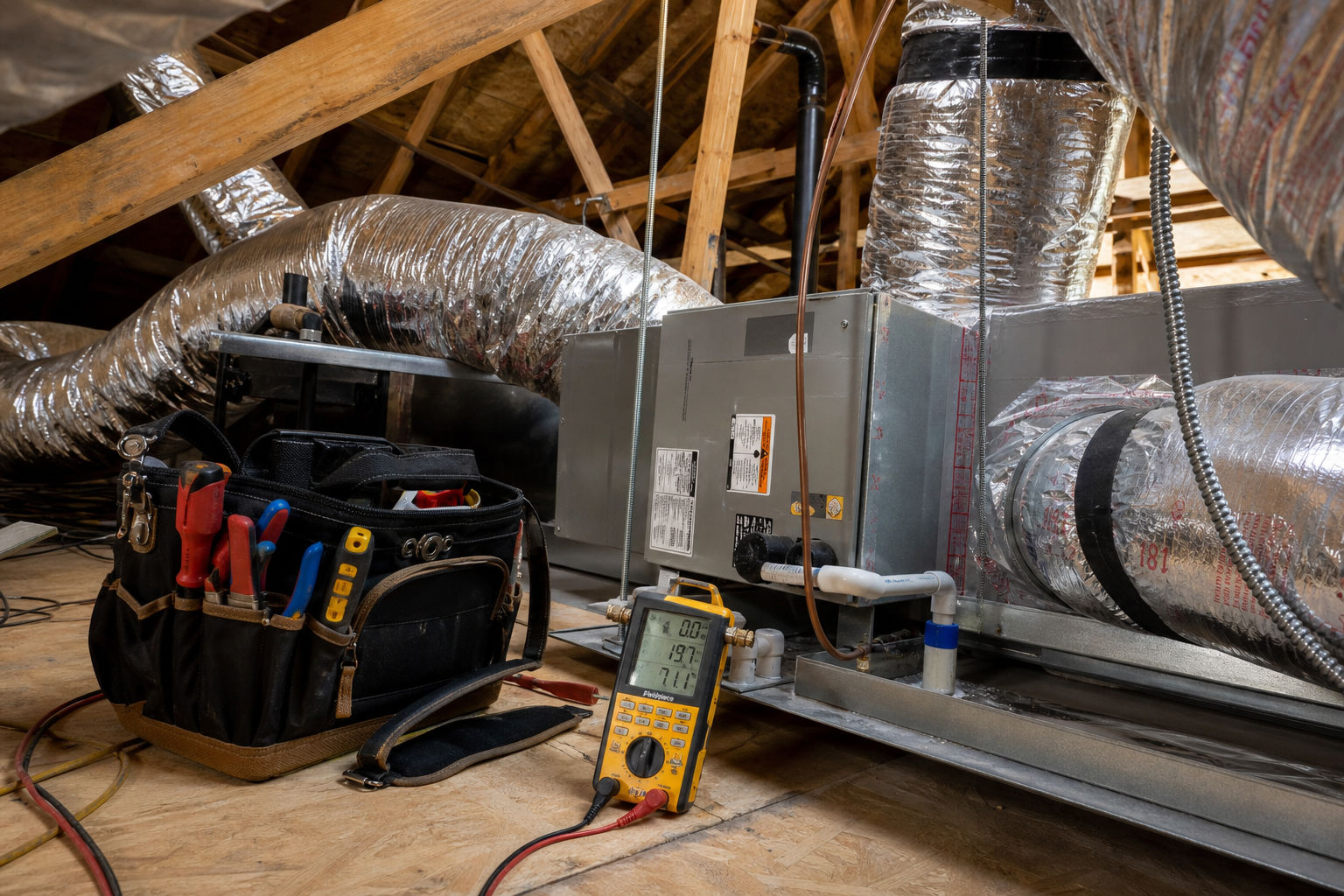
A thorough inspection can identify whether the problem is airflow-related, electrical, mechanical, or tied to the duct system and controls. An HVAC technician may evaluate filter condition, static pressure, coil cleanliness, blower operation, thermostat accuracy, drain performance, electrical components, outdoor unit condition, and visible duct defects. That kind of inspection is valuable because it focuses on the reason the system is using more energy, not just whether it turns on.
For homeowners and business owners in Charleston, North Charleston, Summerville, and surrounding areas, that can provide a much clearer next step. You may find that a maintenance issue or repair restores efficiency. In other cases, the inspection may show that an older system is operating as designed but no longer cost-effective to keep. Either way, you gain real information instead of guessing based on utility bills alone.
The Bottom Line
If your energy bills spike in summer even though your AC seems fine, do not assume the increase is unavoidable. Hidden HVAC issues often build gradually and can raise cooling costs long before a total breakdown happens. Airflow restrictions, aging parts, thermostat problems, duct leakage, and deferred maintenance are all common culprits.
For local property owners, the key is to watch for patterns: higher bills, longer runtimes, humidity problems, or uneven cooling. When those signs appear together, a professional inspection is usually the smartest next step. Preventive attention now can help protect comfort, control operating costs, and reduce the chance that you will need emergency service later. If you do ever face a sudden outage, What to Expect From a 24/7 Emergency AC Repair Visit in the Charleston Area explains what that process typically looks like.
Source: maintaining your air conditioner