How to Prepare Your HVAC System for 24/7 Summer Demand in the Charleston Area
What You'll Learn
- Learn the pre-summer checks that help prevent AC breakdowns
- Improve airflow and cooling with simple maintenance steps
- Spot warning signs before peak heat puts stress on your system
- Know when to schedule a professional HVAC inspection
When summer settles into the Charleston area, your air conditioner rarely gets a break. Between high humidity, long cooling cycles, and salt air in coastal communities like Mount Pleasant and Isle of Palms, HVAC systems often run for hours at a time just to keep indoor temperatures comfortable. For homeowners and local business owners in Charleston, North Charleston, and nearby communities, a little preparation before peak heat arrives can go a long way toward reducing the risk of mid-season breakdowns.
The goal is not complicated maintenance for its own sake. It is reliability. A pre-summer check helps your system move air more effectively, drain moisture properly, respond accurately to thermostat settings, and avoid the strain that turns a small issue into an urgent repair call. If your system has already been acting up, it may also help to review what Charleston homeowners should check before calling for AC repair so you can identify obvious problems early.
Why pre-summer HVAC prep matters in the Charleston climate
Charleston-area summers place heavy demand on cooling equipment. Heat is only part of the issue. Moisture in the air increases the workload on the evaporator coil and condensate system, while long operating cycles expose weak components that may have seemed fine during spring. Systems in Summerville, Goose Creek, and James Island can all face the same pattern: a unit that appears to cool normally in mild weather starts struggling once the hottest stretch of the season arrives.
That is why a pre-summer checklist should focus on the basics that affect performance every day. A dirty filter, a partially clogged drain line, poor airflow around the outdoor unit, or a thermostat that is not reading correctly can all contribute to higher energy use and lower comfort. In some cases, those conditions are also connected to the same symptoms discussed in why your Charleston-area AC runs constantly but still struggles to cool.
Your practical pre-summer HVAC reliability checklist
1. Replace or inspect the air filter
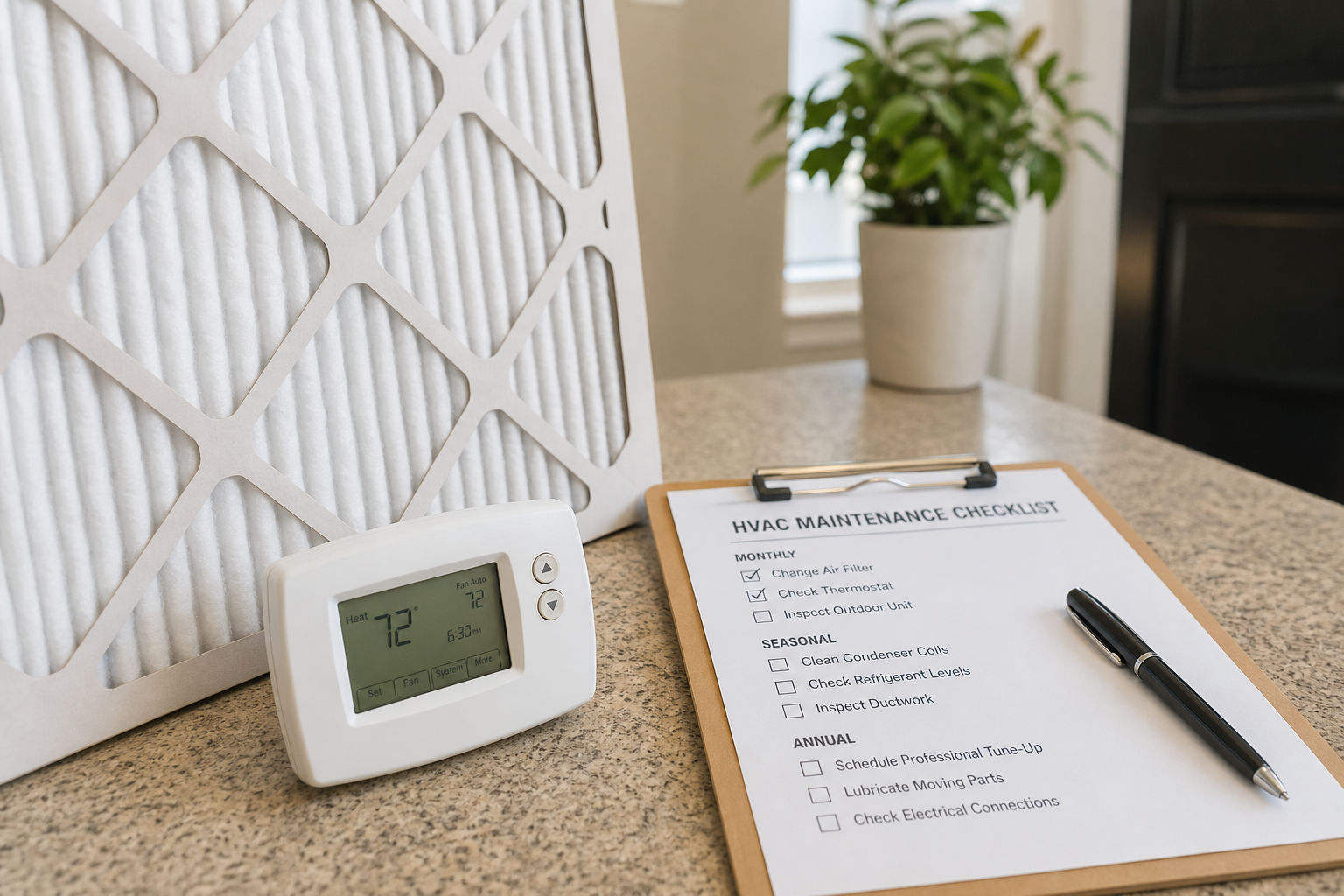
If you do only one thing before summer, start with the filter. A clogged filter restricts airflow, forces the system to run longer, and can reduce cooling capacity throughout the property. In severe cases, poor airflow can contribute to coil icing and added wear on major components. Check the filter size, confirm the airflow direction, and replace it if it is visibly loaded with dust or if it has reached the manufacturer’s recommended interval.
Homes with pets, renovation dust, or high occupancy may need more frequent changes. Commercial spaces and short-term rental properties in places like Folly Beach or Sullivan's Island may also see filters clog faster during busy months. Clean filters support better airflow, steadier temperatures, and lower stress on the blower and compressor.
2. Check the condensate drain line and drain pan
In the Lowcountry, your AC removes a significant amount of moisture from indoor air. That water has to drain away properly. If the condensate line is partially blocked by algae, sludge, or debris, you may see water around the indoor unit, unexpected system shutoffs, or musty odors when the system starts. Those odors can sometimes point to moisture-related issues similar to the ones explained in why your AC smells musty when it turns on and what it may signal.
- Look for standing water in or around the drain pan
- Check for visible buildup at the drain outlet
- Notice any musty smell when cooling begins
- Pay attention to safety shutoffs that stop the AC unexpectedly
If you suspect a blockage, it is smart to have it addressed before the hottest weather arrives. A drain issue may seem minor, but it can interrupt cooling when you need it most and may also create water damage risks indoors.
3. Test the thermostat before peak demand
Your thermostat is the command center for the entire system. Before summer, lower the setpoint a few degrees and make sure the AC starts promptly, runs smoothly, and reaches the target temperature without unusual cycling. If you use a programmable or smart thermostat, verify that schedules are correct and that no outdated settings are forcing unnecessary runtime during the day.
Thermostat issues can mimic bigger HVAC problems. If room temperatures do not match the display, if the system starts and stops too often, or if it ignores schedule changes, the thermostat may need recalibration, battery replacement, relocation, or professional diagnosis. This simple test can help prevent wasted energy and comfort complaints once outdoor temperatures climb across Hanahan, Daniel Island, and West Ashley.
4. Clear the outdoor condenser unit
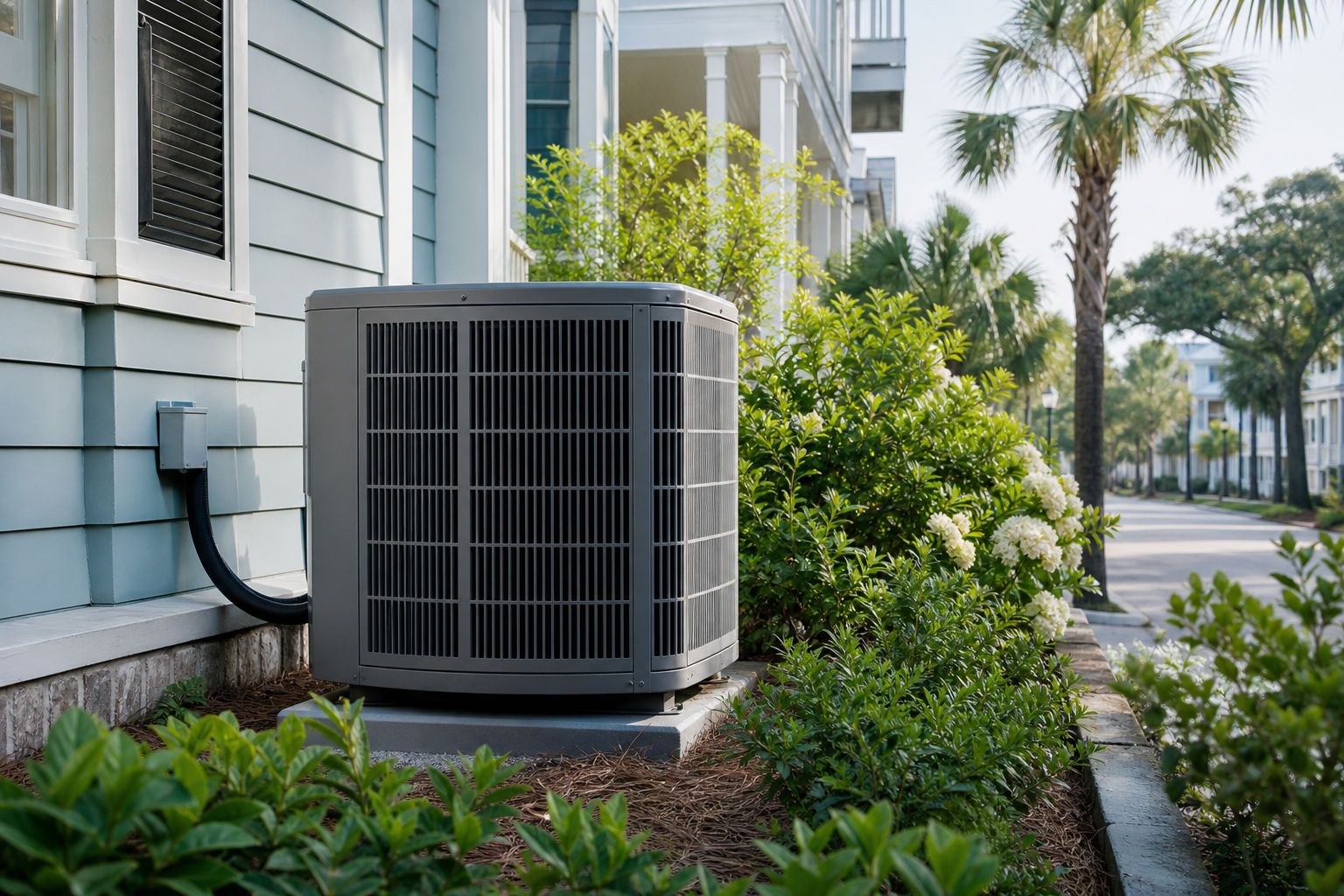
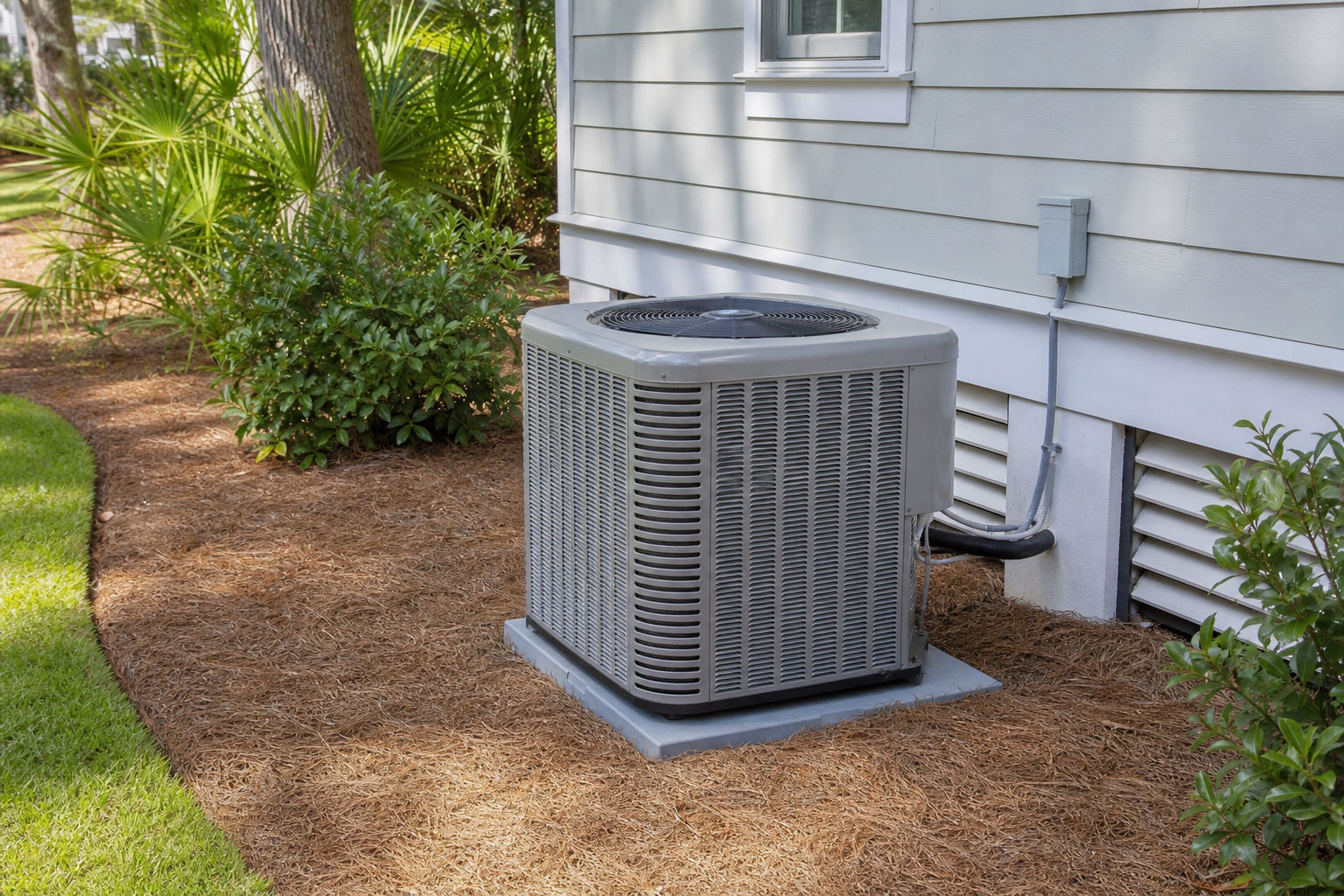
The outdoor unit needs room to release heat efficiently. Leaves, weeds, overgrown shrubs, fencing, and windblown debris can all reduce airflow through the condenser coil. In coastal and wooded areas such as Johns Island, Ravenel, and Moncks Corner, it is common for outdoor units to collect buildup that quietly lowers performance over time.
- Remove leaves, grass clippings, and debris from around the unit
- Trim vegetation back to allow open airflow on all sides
- Check that the top discharge area is unobstructed
- Look for bent fins, corrosion, or signs of damage
Do not use aggressive pressure washing on the coil, and do not open electrical panels unless you are qualified to do so. The main objective is to keep the area around the condenser clean and unobstructed so the system can reject heat effectively during long summer cycles.
5. Schedule a professional HVAC inspection
A professional inspection is the final step that ties the checklist together. While filter changes and visual checks are valuable, an HVAC technician can evaluate refrigerant performance, electrical components, capacitor condition, contactors, blower operation, temperature split, drain function, and overall system wear. That kind of inspection is especially useful if your equipment is older, has needed repairs before, or will be carrying heavy demand through a long Charleston summer.
Professional service also helps catch issues before they become after-hours emergencies. If you have ever wondered what happens when a system fails during extreme heat, our guide on what to expect from a 24/7 emergency AC repair visit in the Charleston area explains why prevention is often the better route. And if you are evaluating who should handle maintenance or repairs, see how to choose an HVAC contractor in Charleston for AC repair or replacement for a practical overview.
Signs your system may already be under summer stress
If your system is showing warning signs now, do not wait for the hottest week of the year to address them. Common red flags include weak airflow, rooms that cool unevenly, rising indoor humidity, frequent cycling, water near the air handler, unusual noises, or energy bills that jump even though your thermostat habits have not changed. In some cases, the problem is hidden inefficiency rather than a complete failure, which is why many property owners find why your energy bills spike in summer even when your AC seems fine useful before scheduling service.
These symptoms do not always mean major repairs are needed, but they do mean the system deserves attention. Addressing them early can protect comfort, reduce downtime, and help avoid disruptions for both households and businesses during periods of nonstop cooling demand.
Prepare now to reduce breakdown risk later
Summer HVAC reliability usually comes down to a handful of basics done at the right time. Replace the filter, confirm the condensate drain is working, test the thermostat, clear the outdoor unit, and schedule a professional inspection before extreme heat pushes the system into continuous operation. For properties across Charleston, Mount Pleasant, Summerville, and surrounding communities, that preparation can make the difference between steady comfort and a stressful repair call during peak season.
First Call Heating & Cooling helps homeowners and local business owners keep cooling systems dependable through Charleston-area summers. If your AC needs a pre-season inspection, repair, or expert evaluation before 24/7 demand begins, now is the right time to get ahead of the heat.
Source: maintaining your air conditioner