A Practical 2026 HVAC Guide for Homeowners and Business Owners
What You'll Learn
- Spot HVAC warning signs before they become expensive failures
- Plan maintenance that improves comfort and system lifespan
- Compare repair vs. replacement with more confidence
- Use practical steps to lower energy waste year-round
- Make better HVAC decisions for homes and commercial spaces
Why HVAC Planning Matters More in 2026
For homeowners and business owners in the local area, HVAC is no longer something to think about only when the system stops working. In 2026, rising utility costs, tighter equipment standards, and the need for dependable indoor comfort make proactive HVAC planning far more important. Whether you manage a family home, a retail storefront, an office, or a rental property, a reliable heating and cooling system helps protect comfort, indoor air quality, and day-to-day operations.
A practical approach starts with understanding how your system performs across the year. Summer humidity, winter cold snaps, heavy daily run times, and uneven maintenance can all shorten equipment life. Property owners in Charleston, North Charleston, and Mount Pleasant often deal with long cooling seasons that put extra strain on air conditioning components. That means routine inspections, clean airflow, and early diagnostics are not optional if you want to avoid emergency breakdowns and control long-term costs.
If you are trying to build a decision-making framework, it helps to start with the basics: know your system age, track recurring issues, review recent utility trends, and pay attention to comfort complaints. If you need a broad overview of repair, maintenance, and replacement indicators, see How to Know When Your HVAC System Needs Repair, Maintenance, or Replacement. That foundation makes every next step more informed.
The Core HVAC Priorities for Homes and Commercial Properties
Most HVAC problems become expensive because they are ignored for too long. A system usually gives warnings before total failure: longer run cycles, hot and cold spots, weak airflow, unusual sounds, moisture near the unit, rising power bills, or rooms that never seem comfortable. In a home, that can mean restless sleep, humidity issues, and avoidable repair bills. In a business, it can affect employees, customers, inventory, and operating hours.
- Keep filters changed on schedule to protect airflow and efficiency
- Schedule seasonal tune-ups before peak cooling and heating demand
- Address unusual noise, odors, or short cycling early
- Check thermostats, drains, and visible duct issues regularly
- Document repair history to spot patterns and replacement timing
These steps sound simple because they are, but consistency matters. In many cases, the biggest savings come from preventing a compressor issue, blower failure, drainage backup, or refrigerant-related problem before it escalates. If your AC has begun acting unpredictably, diagnostics may be the smartest next move. Our readers often find it helpful to review How to Know When Your AC Needs Diagnostics Before a Bigger Repair when early symptoms appear.
How to Handle Repairs Before They Turn Into Replacements
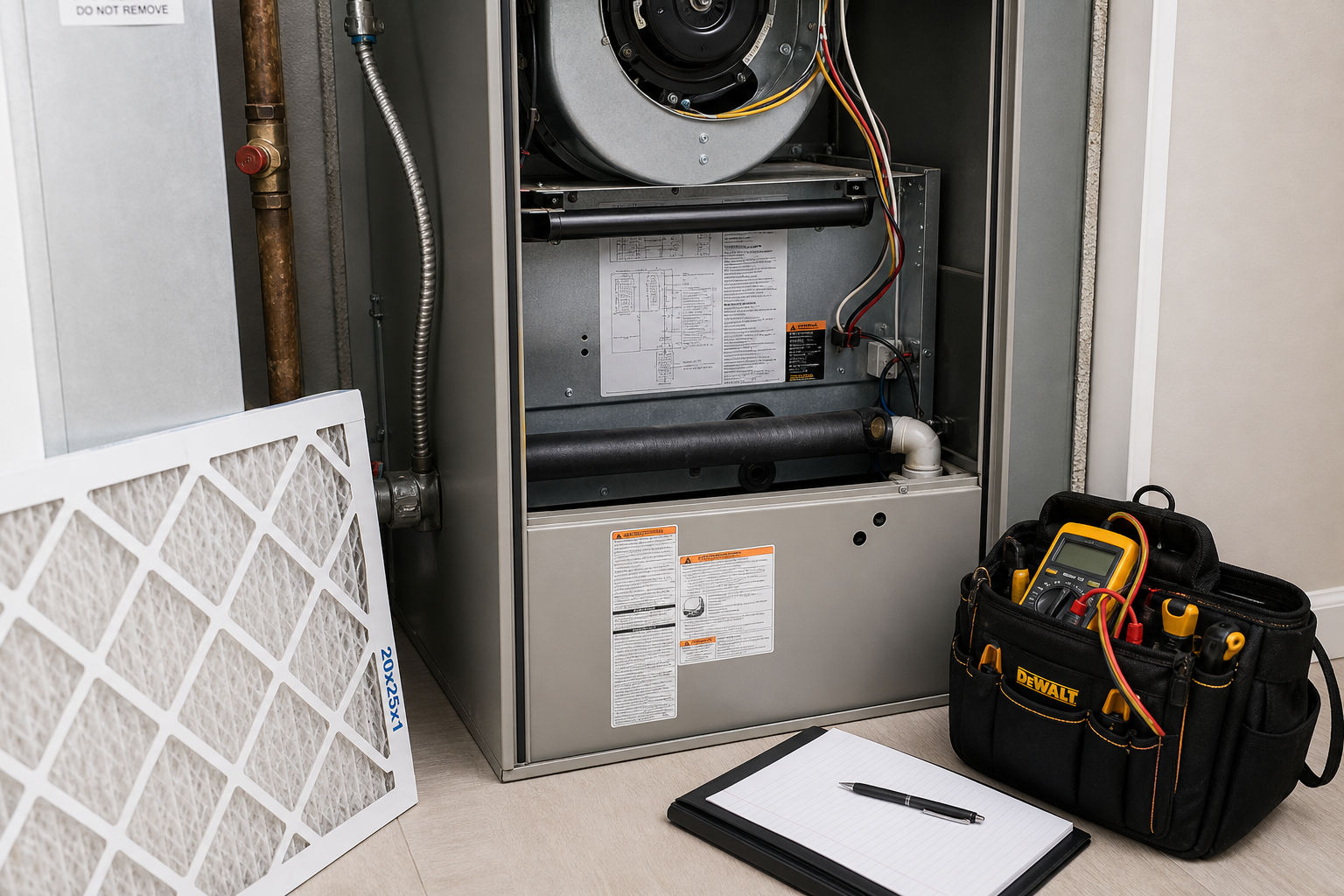
Not every HVAC issue means you need a new system. In fact, many service calls involve repairable problems such as dirty coils, worn capacitors, clogged drains, sensor issues, thermostat malfunctions, or airflow restrictions. The key is catching them early. When a unit continues running under stress, one failed component can start affecting others, turning a manageable repair into a much larger project.
One example is a frozen AC unit. Property owners often assume ice means the system is cooling extra well, but the opposite is usually true. Freeze-ups can be tied to airflow problems, low refrigerant, or mechanical faults that need professional evaluation. If that sounds familiar, read Why Your AC Keeps Freezing Up in Summer and What to Do Next. Acting quickly can help prevent compressor damage and repeat service interruptions.
Owners in Summerville, Goose Creek, and nearby communities often ask when repair stops making financial sense. The answer depends on system age, condition, efficiency, and repair frequency. A newer unit with one failed part is different from an older system with recurring refrigerant, electrical, or airflow issues. For a deeper comparison, see Should You Repair or Replace Your AC in 2026? A Local Guide for Charleston-Area Property Owners. The goal is not to push replacement too early or delay it too long, but to choose the option that best supports reliability and value.
Maintenance Strategies That Reduce Stress on Your System
Preventive maintenance remains one of the smartest investments a property owner can make. For homeowners, it helps protect comfort during the hottest and coldest weeks of the year. For business owners, it supports smoother operations and reduces the risk of unexpected downtime. Maintenance also gives technicians the opportunity to identify worn parts, drainage issues, electrical concerns, and performance losses before they trigger a breakdown.
A good maintenance visit typically includes inspecting electrical components, checking refrigerant performance, cleaning critical areas, verifying thermostat operation, measuring airflow, and confirming that the system is starting, running, and shutting down properly. If your property depends heavily on summer cooling, it is worth reviewing How to Keep Your AC Running Reliably Through a Charleston-Area Summer for additional seasonal guidance.
When Replacement Becomes the Better Long-Term Decision
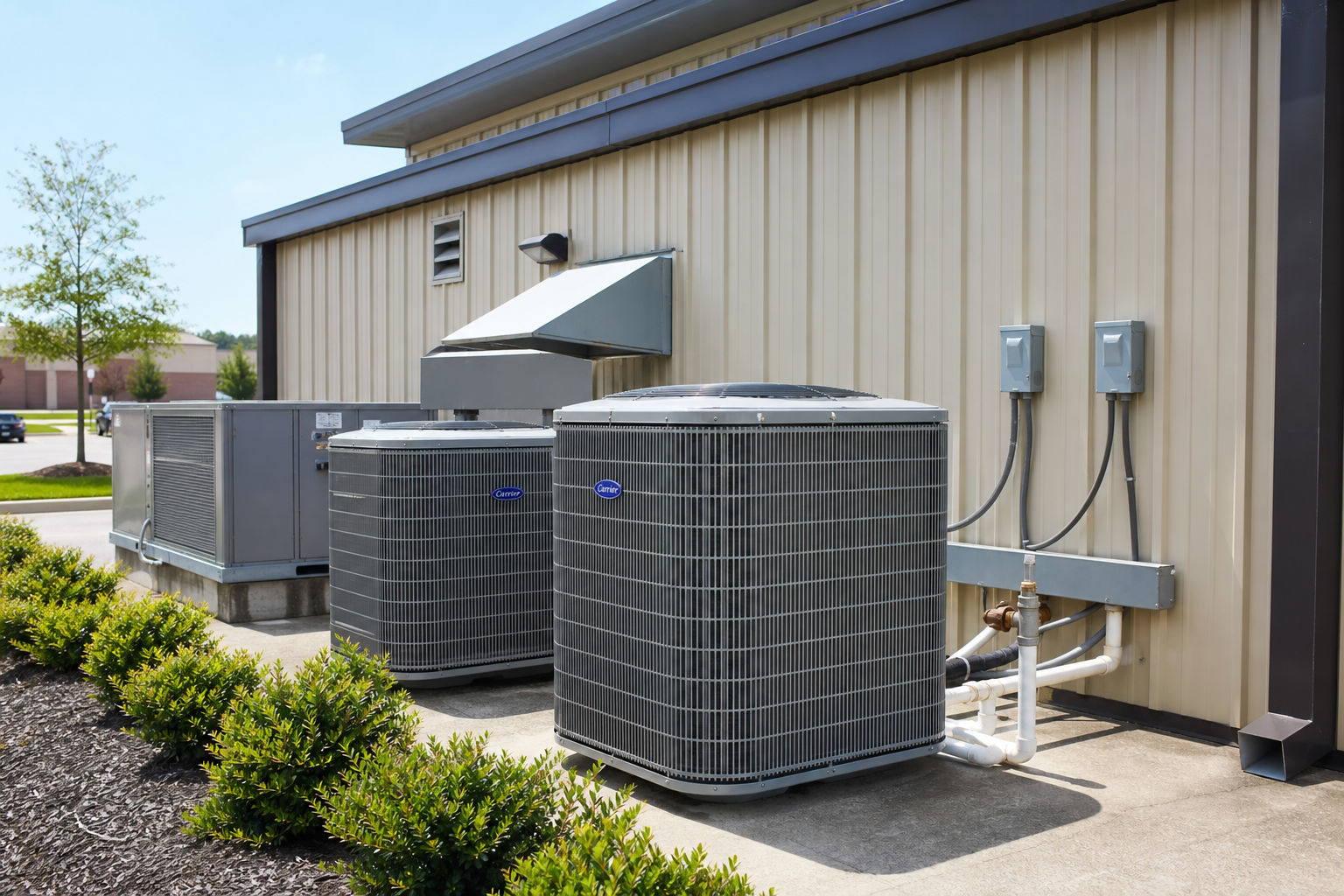
Eventually, every HVAC system reaches a point where replacement becomes the more practical path. Common reasons include repeated repairs, declining efficiency, hard-to-source parts, poor humidity control, uneven temperatures, and operating costs that keep climbing. For commercial properties, replacement may also be worth considering when comfort problems affect customer experience or employee productivity. For homes, it may be the best way to improve reliability, lower utility waste, and restore even comfort from room to room.
- Review the age and repair history of the current system
- Compare recent repair costs against expected remaining lifespan
- Consider comfort, humidity, and airflow performance
- Evaluate energy use and seasonal operating demands
- Choose equipment sized and configured for the property
Replacement decisions should be based on property needs, not guesswork. Proper sizing, duct performance, insulation conditions, thermostat placement, and usage patterns all influence results. A system that is too large or too small can create comfort issues and unnecessary wear. That is why a careful evaluation matters just as much as the equipment itself.
What Local Property Owners Should Do Next
The most effective HVAC strategy in 2026 is simple: do not wait for a total failure. If your system is aging, showing warning signs, or struggling to keep up, schedule an inspection and get clear recommendations based on condition, performance, and goals. Homeowners need dependable comfort and manageable energy use. Business owners need consistent performance that supports staff, customers, and operations. In either case, timely service helps you stay ahead of avoidable disruption.
For property owners across Charleston, North Charleston, Mount Pleasant, Summerville, and surrounding areas, a practical HVAC plan includes routine maintenance, prompt diagnostics, and honest evaluation of when repair or replacement makes sense. If you want a broader local overview, you can also read A Practical HVAC Guide for Homeowners and Business Owners in the Local Area. The right next step is the one that improves reliability now while protecting your budget over time.
Source: maintaining your air conditioner