A Practical HVAC Guide for Homeowners and Business Owners in the Local Area
What You'll Learn
- Spot early HVAC issues before they turn into major repairs
- Improve comfort and reduce energy waste year-round
- Know when repair makes sense and when replacement is smarter
- Use seasonal maintenance steps to protect system performance
- Make better HVAC decisions for homes, offices, and retail spaces
Heating and cooling systems do more than control temperature. For homeowners, they protect comfort, indoor air quality, and monthly utility costs. For local business owners, they also affect employee productivity, customer experience, and day-to-day operations. In the local area, HVAC equipment works hard through humid summers, mild but damp seasonal changes, and the occasional cold snap, which means small performance problems can become expensive if they are ignored for too long.
This guide is designed to help property owners make practical HVAC decisions with confidence. Whether you manage a house in Charleston, operate a storefront in Mount Pleasant, or oversee a small office in Summerville, the same principles apply: pay attention to warning signs, stay consistent with maintenance, and address efficiency issues before they shorten system life. If you want a broader overview of smart upkeep habits, our post How to Keep Your HVAC System Reliable, Efficient, and Ready for Every Season is a helpful companion read.
Why HVAC Performance Matters More Than Most Property Owners Realize
An HVAC system that is only "good enough" often costs more than owners expect. A unit can still run while quietly losing efficiency, struggling to maintain set temperatures, or cycling too often. That leads to higher energy bills, uneven comfort, and unnecessary wear on major components. In homes, that may show up as hot upstairs rooms, excess humidity, or stale indoor air. In commercial spaces, it may mean customer complaints, uncomfortable work areas, or inventory concerns in temperature-sensitive environments.
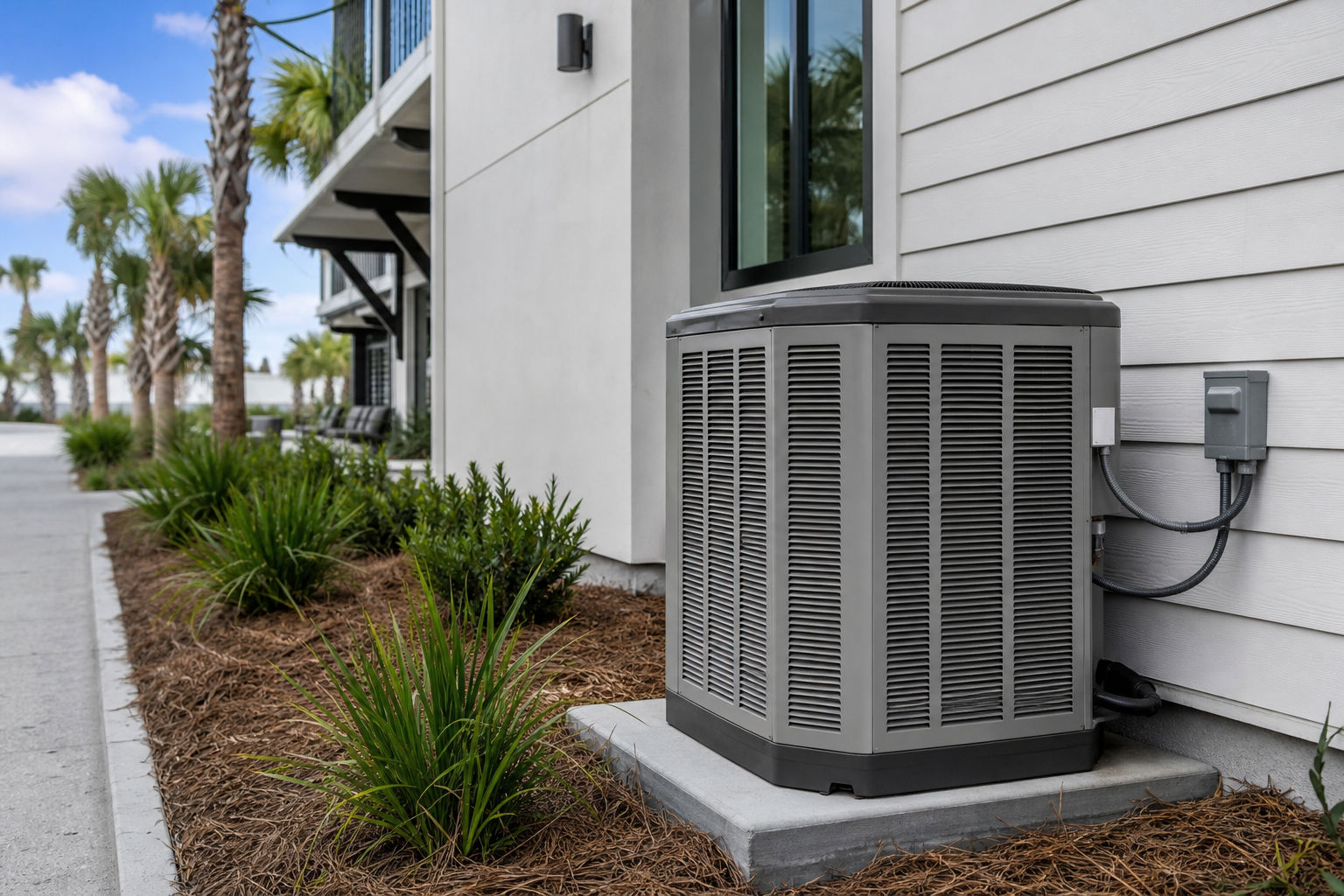
Local conditions make regular attention especially important. Salt air near coastal areas, heavy summer humidity, airborne debris, and long cooling seasons can all affect system performance. Equipment serving properties in North Charleston, West Ashley, and James Island may face slightly different demands, but all benefit from proactive care. A practical HVAC strategy is not just about fixing breakdowns. It is about reducing the chance of breakdowns in the first place.
The Most Common Signs Your HVAC System Needs Attention
Many costly repairs start with symptoms that seem minor at first. If your system is making new noises, running longer than usual, producing weak airflow, or leaving some rooms warmer than others, those are signs worth addressing. A sudden increase in utility bills can also point to clogged filters, refrigerant issues, duct leakage, or failing components. For business owners, one early clue is often inconsistent comfort between customer-facing areas and back rooms.
- Warm air coming from vents during cooling season
- Frequent cycling on and off
- Humidity that stays high indoors
- Water leaks or ice forming on the unit
- New rattling, buzzing, or grinding sounds
One issue local property owners often encounter in peak cooling season is a frozen AC system. That problem may be tied to airflow restrictions, dirty coils, low refrigerant, or blower problems. If this sounds familiar, see Why Your AC Keeps Freezing Up in Summer and What to Do Next for a closer look at causes and next steps. Catching these warning signs early can help you avoid more extensive repairs and longer downtime.
Seasonal Maintenance That Pays Off
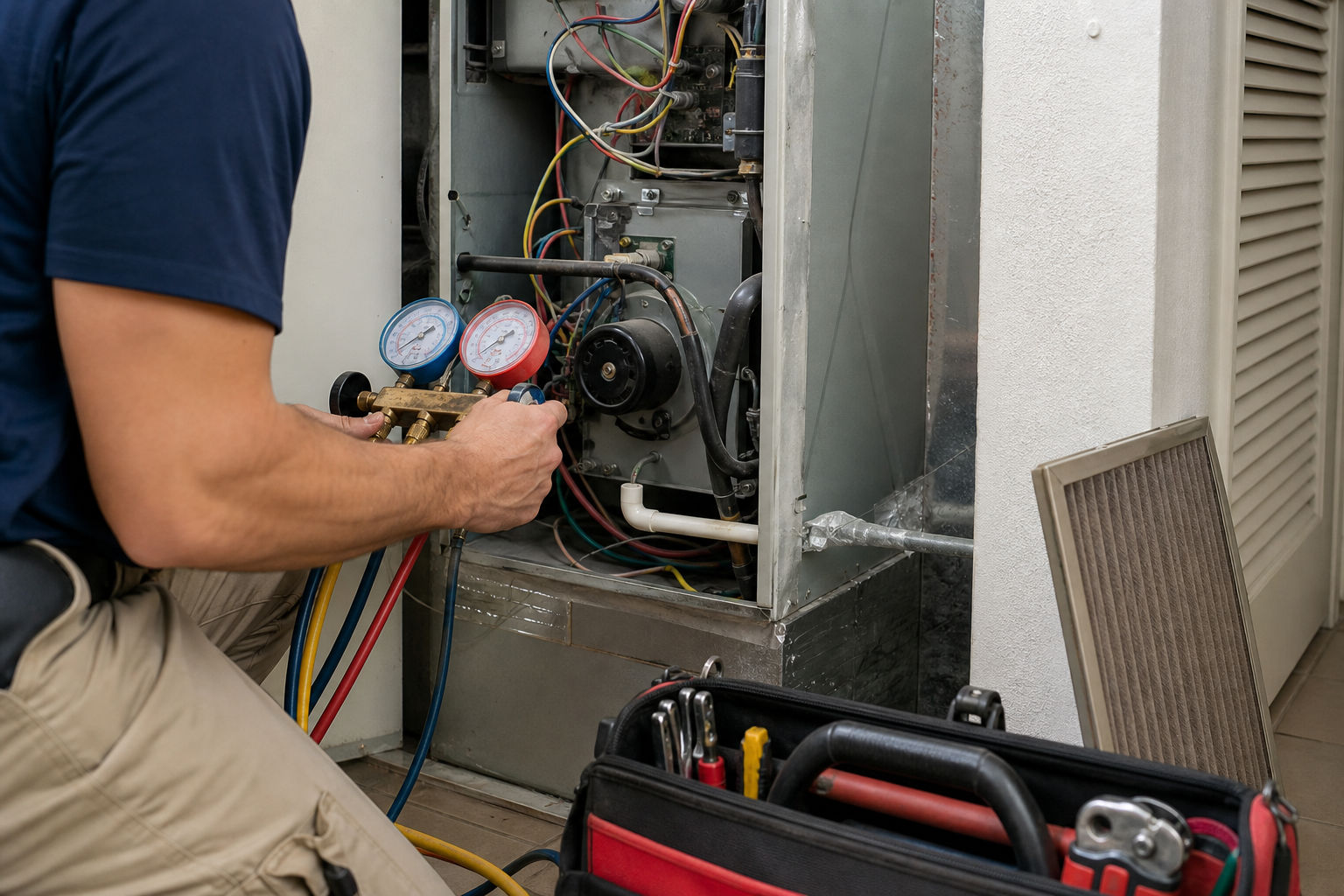
Routine maintenance is one of the most cost-effective ways to protect HVAC performance. At a minimum, filters should be checked regularly and replaced on schedule based on system use, occupancy, and indoor conditions. Outdoor condenser units should be kept clear of debris and overgrowth. Thermostat settings should be reviewed for accuracy, and visible vents should stay unobstructed by furniture, shelving, or equipment.
Professional maintenance goes further by inspecting electrical connections, cleaning coils, checking refrigerant levels, testing airflow, and identifying worn parts before they fail. This is especially important before the hottest part of the year, when systems in Charleston-area homes and businesses are under the most strain. For practical warm-weather preparation tips, read How to Keep Your AC Running Reliably Through a Charleston-Area Summer. The goal is simple: improve reliability when you need cooling most.
Repair or Replace? How to Make the Smarter Long-Term Choice
One of the most common questions property owners ask is whether to repair an existing system or replace it. The answer depends on several factors: age, repair frequency, energy performance, parts condition, and whether the system still matches the needs of the space. A repair may be the right move when the issue is isolated and the equipment is otherwise in good shape. Replacement becomes easier to justify when breakdowns are becoming more frequent, efficiency is poor, or comfort problems continue despite repeated service.
Business owners should also consider the operational cost of unreliable equipment. Even if an older system can technically be repaired, repeated disruptions may cost more over time than a planned upgrade. Homeowners often see the same pattern when an aging unit drives up electric bills while still failing to keep the home comfortable. For a deeper comparison, visit Should You Repair or Replace Your AC in 2026? A Local Guide for Charleston-Area Property Owners. You can also explore A Practical 2026 HVAC Guide for Homeowners and Business Owners for additional decision-making guidance.
Questions to Ask Before Deciding
- How old is the current system?
- Has it needed multiple repairs in the last two years?
- Are energy bills rising without another clear cause?
- Does the system keep all areas consistently comfortable?
- Would improved efficiency support your long-term budget goals?
Efficiency, Comfort, and Indoor Air Quality Go Together
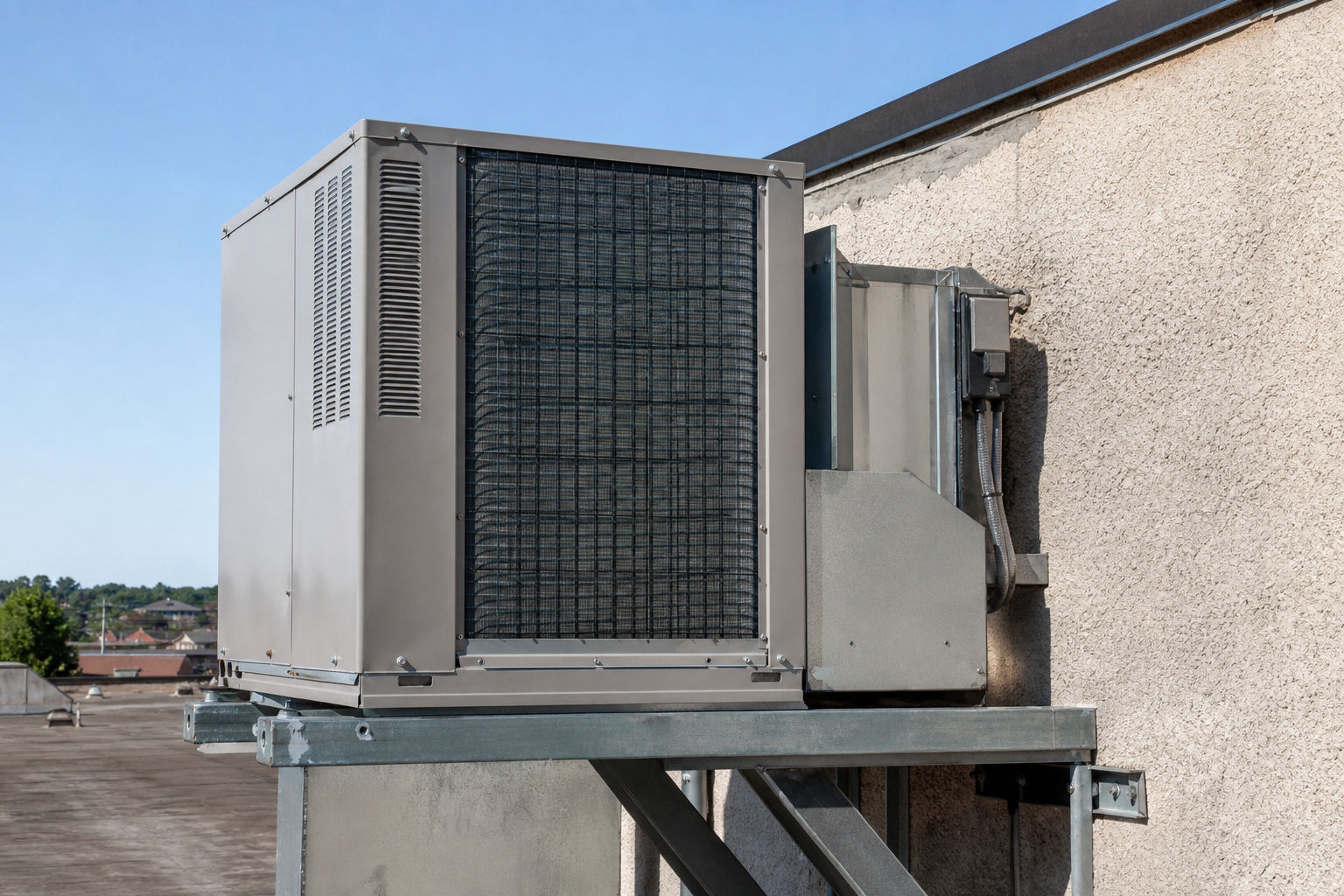
HVAC performance is not only about temperature. A well-maintained system also supports better humidity control, healthier airflow, and more stable indoor conditions. In the local area, excess humidity can make indoor spaces feel warmer than the thermostat reading suggests. That can encourage owners to lower the temperature setting, which increases system runtime and utility costs without addressing the underlying issue. Proper maintenance, duct performance, and equipment sizing all play a role in solving that problem.
For commercial properties, indoor air quality can influence employee comfort and the overall experience customers have in your space. For homes, cleaner airflow and balanced humidity can improve day-to-day comfort in a noticeable way. If you are looking for a broader perspective on comfort, energy savings, and repair planning, our post A Local HVAC Guide to Better Comfort, Lower Energy Costs, and Smarter Repair Decisions expands on these priorities in a practical, local context.
What Local Property Owners Should Do Next
If your HVAC system is working well today, the best next step is preventive care. Schedule regular inspections, change filters consistently, monitor utility trends, and take new noises or airflow changes seriously. If your system is already struggling, avoid waiting until it fails during a peak-demand period. Prompt service can help limit damage, restore comfort faster, and give you a clearer picture of whether repair or replacement is the better path.
For homeowners and business owners across the local area, a practical HVAC plan comes down to staying proactive. Reliable comfort, stronger efficiency, and fewer surprise repairs usually start with small, timely actions. Whether your property is in Charleston, Mount Pleasant, Summerville, or a nearby community, informed HVAC decisions can protect both your comfort and your budget over the long term.
Source: heating and cooling efficiency guidance