A Local HVAC Guide to Better Comfort, Lower Energy Costs, and Smarter Repair Decisions
What You'll Learn
- Spot common comfort and efficiency problems early
- Lower monthly energy costs with practical HVAC habits
- Know when a repair makes sense and when it may not
- Improve indoor comfort in homes and commercial spaces
- Use local HVAC service strategically through every season
When your heating and cooling system is working the way it should, you notice the results every day: steady temperatures, cleaner indoor air, quieter operation, and energy bills that feel more predictable. When it is not, comfort drops fast. Hot and cold spots, short cycling, weak airflow, rising utility costs, and repeat breakdowns can all point to issues that deserve attention. For homeowners and local business owners, the goal is not just to fix problems as they happen. It is to make smarter decisions that protect comfort, control operating costs, and help the system last longer.
In a local area with changing seasonal demands, HVAC performance can shift quickly. A system that seemed fine during mild weather may struggle during peak summer heat or winter cold. That is why a practical, local approach matters. Whether you manage a storefront in downtown Charleston, own a home in Mount Pleasant, or maintain a rental property in North Charleston, the right maintenance and repair choices can make a noticeable difference. If you want a broader overview of year-round planning, see A Practical 2026 HVAC Guide for Homeowners and Business Owners.
What Better HVAC Comfort Really Means
Comfort is about more than the number on the thermostat. A well-performing HVAC system should deliver consistent temperatures, balanced airflow, manageable humidity, and dependable operation throughout the day. If one room is always warmer than the others, if the system runs constantly without catching up, or if indoor air feels damp and stale, those are signs that the system may need service, adjustment, or a closer inspection.
Many comfort complaints come down to a few common causes: dirty filters, restricted airflow, thermostat issues, aging components, duct leakage, or equipment that is no longer well matched to the space. In homes, these issues often show up as uncomfortable bedrooms, noisy vents, or poor humidity control. In commercial spaces, they can affect employee productivity, customer experience, and even equipment performance. If your system has started showing repeat summer problems, our readers often find it helpful to review How to Keep Your HVAC System Reliable, Efficient, and Ready for Every Season.
- Uneven temperatures between rooms or zones
- Higher humidity indoors even when AC is running
- Weak airflow from supply vents
- Long run times or frequent on-and-off cycling
- Unusual noises, odors, or recurring thermostat adjustments
How to Lower Energy Costs Without Sacrificing Comfort
Lower energy costs usually come from improving system efficiency, not from trying to tolerate uncomfortable conditions. The most effective approach is to reduce wasted runtime. That means helping your HVAC system move air properly, transfer heat efficiently, and respond accurately to actual indoor conditions. Small service issues can create major energy waste over time, especially during periods of heavy use.
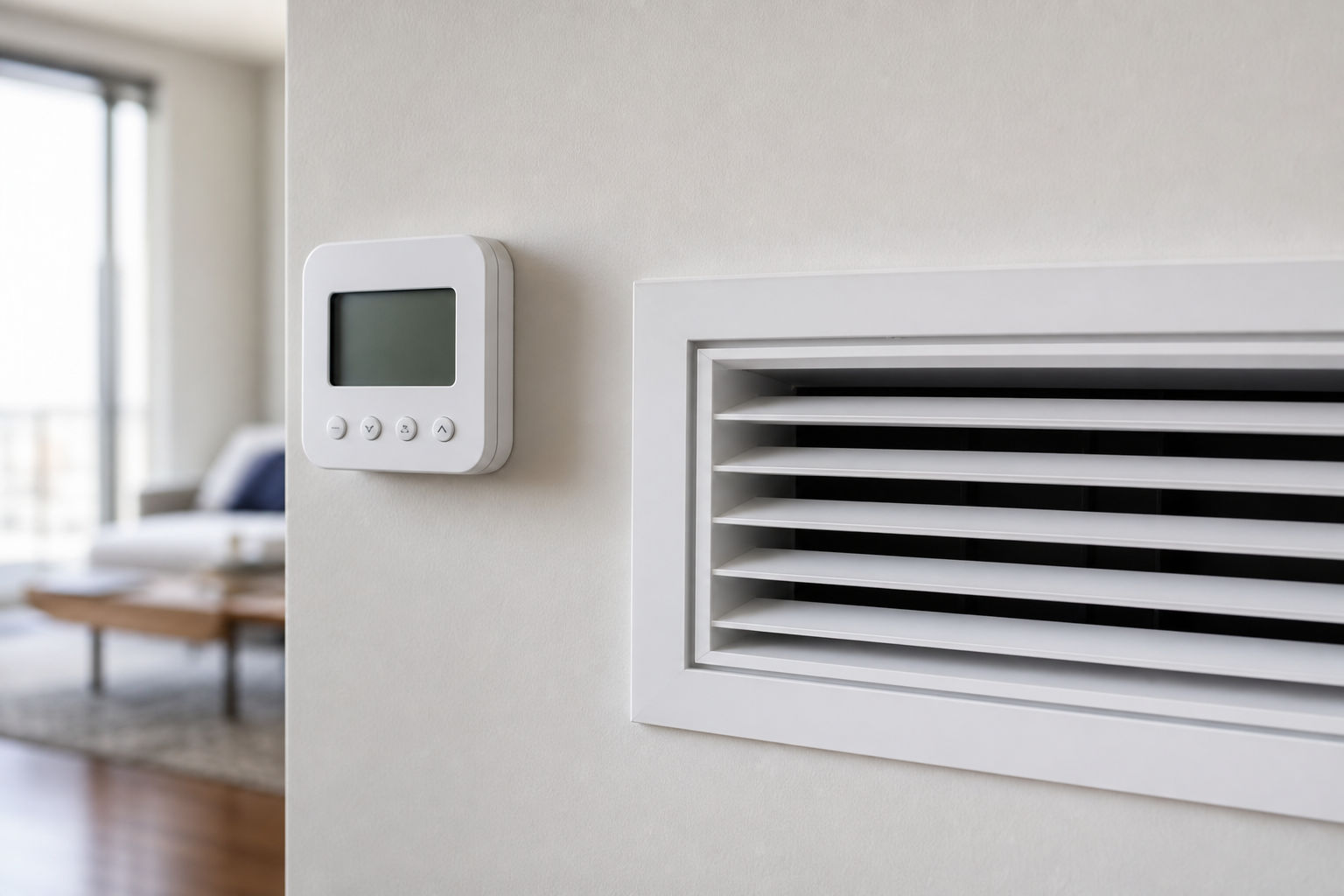
Start with the basics. Replace filters on schedule, keep outdoor equipment clear of debris, and make sure vents are open and unobstructed. Then look deeper. A thermostat that is poorly located or not calibrated correctly can cause overcooling or overheating. Dirty coils can reduce efficiency. Leaky ducts can send conditioned air into unoccupied spaces. Refrigerant or electrical issues can force the system to work harder than necessary. For seasonal advice focused on warm-weather performance, read How to Keep Your AC Running Reliably Through a Charleston-Area Summer.
Property owners in Summerville, Goose Creek, and Charleston often see utility spikes when systems run through long hot stretches without preventive service. The same principle applies in cooler months when heating demand increases. A tuned, inspected system generally performs more predictably than one that has been deferred until failure. Routine service also helps identify wear before it turns into a larger repair or an emergency call.
- Change or clean filters as recommended for your system
- Schedule professional maintenance before peak heating and cooling seasons
- Seal obvious air leaks around doors, windows, and accessible duct connections
- Use programmable or smart thermostat settings that match occupancy
- Address unusual performance changes before they become expensive
When a Repair Makes Sense
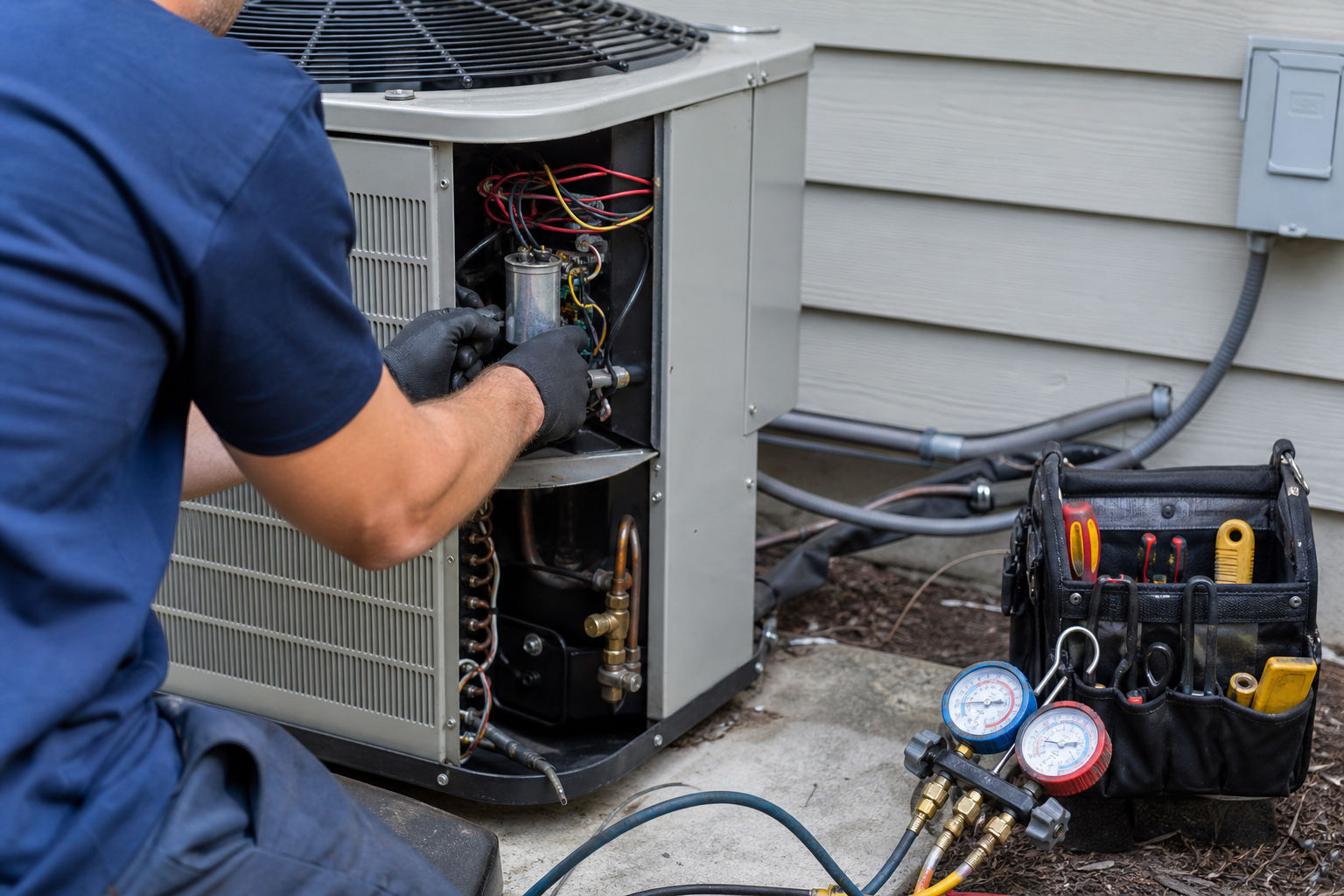
Not every HVAC problem calls for replacement. In many cases, a well-targeted repair is the most sensible option, especially when the issue is isolated and the system has otherwise been dependable. Components such as capacitors, contactors, blower motors, sensors, drain lines, thermostats, and certain electrical parts can often be repaired or replaced to restore normal operation. The key is getting an accurate diagnosis instead of guessing based on symptoms alone.
A smart repair decision usually depends on a few factors: the age of the equipment, frequency of recent breakdowns, overall condition, repair history, and how well the system is meeting current comfort needs. If your air conditioner is freezing up, for example, the root cause may be airflow restriction, refrigerant issues, or another service problem rather than total system failure. For more on that, see Why Your AC Keeps Freezing Up in Summer and What to Do Next.
Signs a repair may be the right next step
- The issue is recent and isolated rather than ongoing
- The system has a solid service history
- Comfort has been good aside from the current problem
- The repair addresses a specific failed part
- Energy use has been stable until the new issue appeared
When It Is Time to Think Beyond Another Repair
There are also times when continuing to repair an HVAC system becomes less practical. If breakdowns are becoming frequent, comfort remains inconsistent after service, or energy costs keep climbing despite maintenance, it may be time to evaluate the bigger picture. An older system that cannot keep up with the needs of the property may still run, but that does not always mean it is operating efficiently or reliably enough to justify repeated investment.
This is especially important for business owners, where downtime can affect operations, inventory, staff comfort, and customer experience. It also matters for homeowners planning around long-term property expenses. If you are weighing the pros and cons of another repair versus a larger equipment decision, review Should You Repair or Replace Your AC in 2026? A Local Guide for Charleston-Area Property Owners and What Local Homeowners and Business Owners Should Know About HVAC Comfort, Efficiency, and Repair Decisions in 2026.
Why Local HVAC Service Matters
Local HVAC service is not just about convenience. It is about working with a provider who understands how regional weather patterns, building styles, occupancy demands, and seasonal humidity affect equipment performance. A local business serving Charleston, Mount Pleasant, North Charleston, Summerville, and nearby communities can often identify patterns that are common in the area and recommend solutions that fit local conditions rather than relying on generic advice.
That local perspective helps with everything from preventive maintenance timing to airflow corrections and system reliability planning. It can also make communication easier when you need straightforward guidance on what is urgent, what can wait, and what steps may improve comfort and efficiency over the long term. For both homeowners and business owners, that clarity is what turns HVAC service from a reactive expense into a smarter property decision.
A Smarter Way to Protect Comfort and Control Costs
The best HVAC outcomes usually come from acting early. If you notice uneven temperatures, rising utility bills, short cycling, weak airflow, or recurring repair needs, do not wait for a complete breakdown to get answers. A professional evaluation can help identify the cause, improve day-to-day comfort, and give you a clearer path forward based on the condition of your system and the needs of your property.
Whether you own a home, manage rental properties, or operate a local business, better comfort and lower energy costs often start with better information. With the right local service strategy, you can reduce surprises, make more confident repair decisions, and keep your HVAC system working more effectively through every season.
Source: heating and cooling efficiency guidance