How to Keep Your HVAC System Reliable, Efficient, and Ready for Every Season
What You'll Learn
- Reduce breakdown risk with seasonal HVAC maintenance
- Improve efficiency and lower avoidable energy waste
- Spot early warning signs before repairs get larger
- Protect comfort in homes, offices, and retail spaces
- Know when to schedule service for best performance
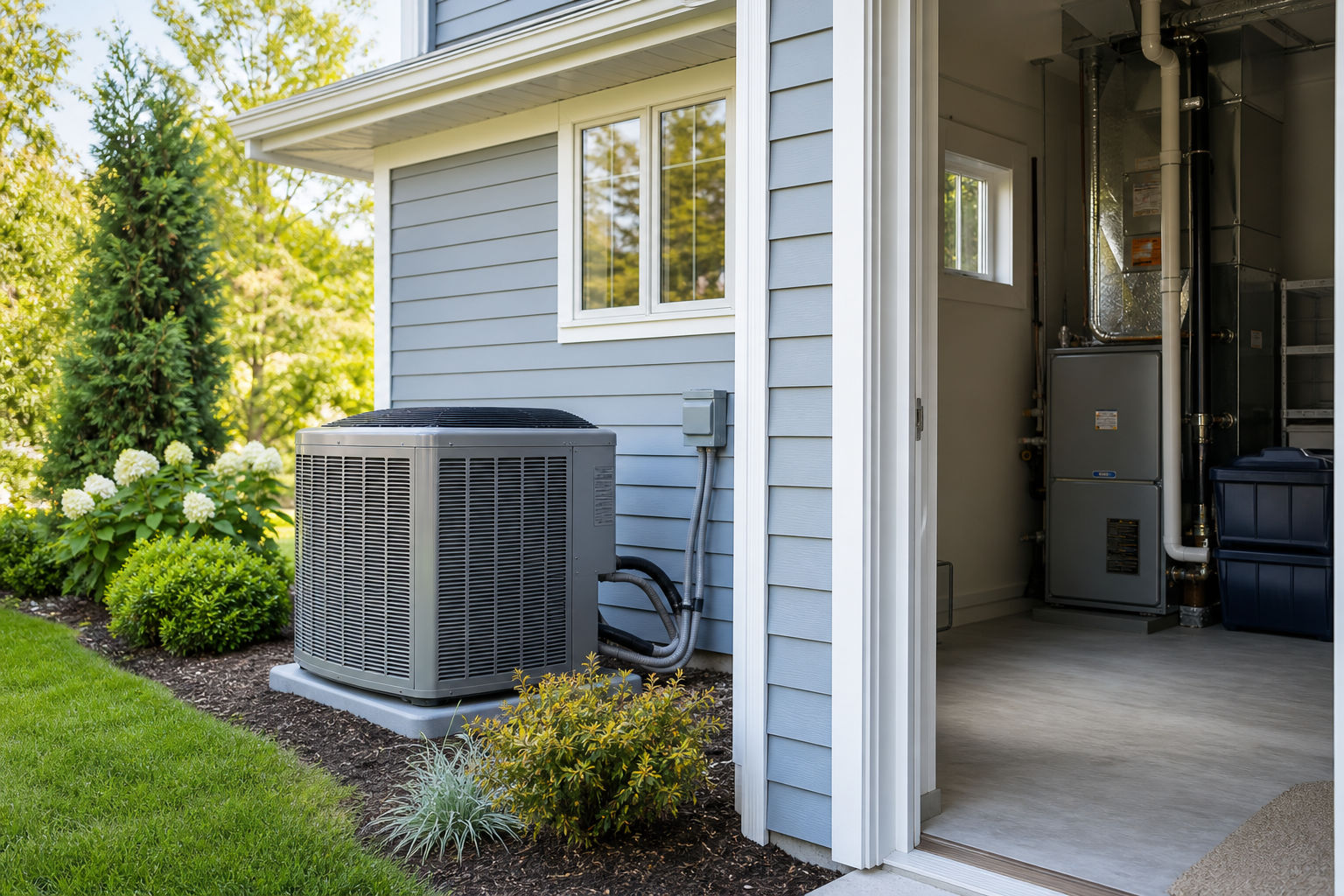
Your HVAC system works hard all year, and in the local area, changing temperatures, humidity, dust, and heavy run times can put that equipment under constant pressure. Whether you manage comfort in a home, office, storefront, or rental property, a reliable system matters for daily comfort, indoor air quality, and energy performance. The good news is that most major problems do not start as major problems. With the right maintenance habits and timely professional service, property owners in Charleston, Mount Pleasant, and Summerville can keep heating and cooling systems operating more dependably through every season.
A well-maintained HVAC system does more than keep rooms at the right temperature. It can help reduce wear on major components, support better airflow, improve humidity control, and lower the chance of inconvenient breakdowns during peak demand. For local homeowners and business owners, that means fewer surprises when outdoor temperatures rise or drop suddenly. If you are already thinking ahead to summer cooling performance, it also helps to review season-specific guidance like How to Keep Your AC Running Reliably Through a Charleston-Area Summer.
Start With Consistent Preventive Maintenance
The most important step in keeping an HVAC system reliable is simple: do not wait for it to fail before giving it attention. Preventive maintenance allows small issues to be identified before they affect comfort or turn into more expensive repairs. A professional visit typically includes checking electrical connections, inspecting components for wear, testing system operation, evaluating refrigerant performance where applicable, cleaning critical areas, and confirming safe airflow and temperature output.
For many properties in North Charleston, Goose Creek, and Charleston, the ideal schedule is to have the cooling system checked before hot weather and the heating system reviewed before colder months arrive. This timing helps ensure the equipment is ready before demand peaks. It also gives technicians a better chance to catch weak capacitors, airflow restrictions, drainage issues, dirty coils, or thermostat problems before they create a comfort emergency.
- Replace or check air filters regularly
- Keep supply and return vents clear
- Schedule seasonal tune-ups before peak weather
- Watch for unusual sounds, odors, or short cycling
- Address minor performance changes quickly
Protect Efficiency by Improving Airflow and Cleanliness
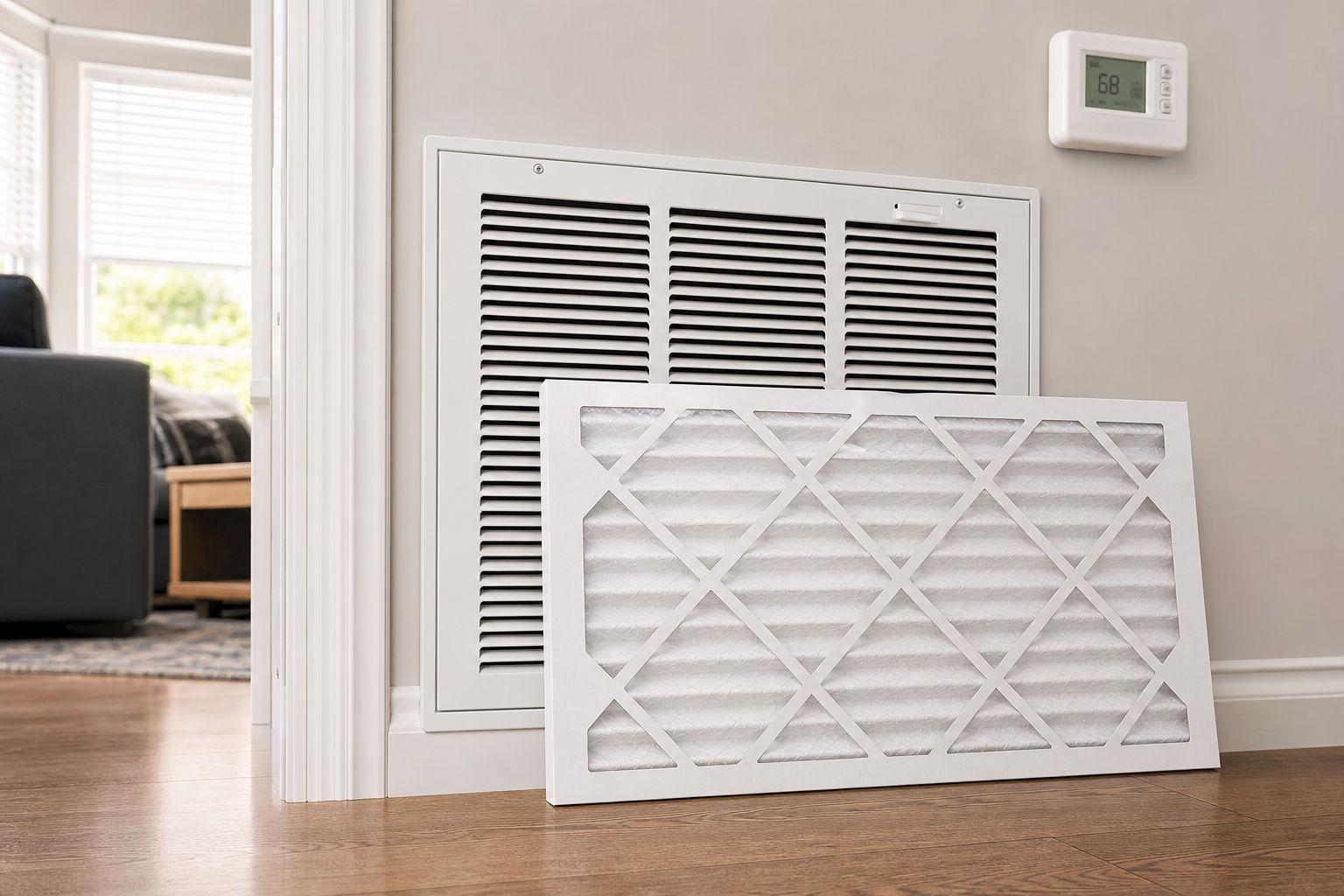
Efficiency problems often begin with airflow. When filters are clogged, vents are blocked, blower components are dirty, or coils are coated with debris, your system has to work harder to move conditioned air. That added strain can increase energy use while reducing comfort. You may notice rooms that feel uneven, longer run times, or a system that seems to struggle during the hottest or coldest parts of the day.
Homeowners and business owners can help by checking filters on a regular schedule and making sure furniture, boxes, or displays are not obstructing vents. Outdoor units should also be kept clear of leaves, overgrowth, and debris so heat transfer can happen efficiently. If your system is showing warning signs like ice on the indoor coil or refrigerant line, poor airflow may be part of the issue. In that case, this related guide on why your AC keeps freezing up in summer and what to do next can help you understand the next steps.
Pay Attention to Early Warning Signs
Reliable HVAC performance depends on noticing changes early. Systems rarely move from perfect operation to total failure without leaving clues first. Common warning signs include weak airflow, warm air during cooling mode, inconsistent temperatures, unexplained increases in utility bills, loud buzzing or rattling, frequent cycling, water around the unit, or a thermostat that no longer seems accurate. These symptoms do not always point to the same issue, but they do signal that the system should be evaluated.
Prompt diagnostics can prevent a small issue from affecting other components. For example, an airflow restriction can contribute to freezing, a drainage problem can lead to water damage, and an electrical issue can place stress on motors or controls. If you are unsure whether your system needs a closer look, How to Know When Your AC Needs Diagnostics Before a Bigger Repair offers practical context for deciding when to call for service.
Prepare for Each Season Instead of Reacting to It
Seasonal readiness is one of the best ways to avoid disruption. Before summer, cooling systems should be inspected for refrigerant performance, condensate drainage, thermostat calibration, electrical integrity, and clean heat-transfer surfaces. Before colder weather, heating components should be checked for proper ignition, safe operation, airflow, and control response. For mixed-use properties and businesses, these inspections are especially valuable because comfort problems can affect employees, customers, equipment, and daily operations.
Property owners in Summerville, Mount Pleasant, and North Charleston often benefit from thinking one season ahead. Waiting until the first heat wave or cold snap usually means higher demand for service and more stress on already strained equipment. A proactive schedule helps maintain comfort and gives you time to make informed decisions if a repair or replacement recommendation comes up.
Know When Repair Makes Sense and When Replacement Deserves a Look
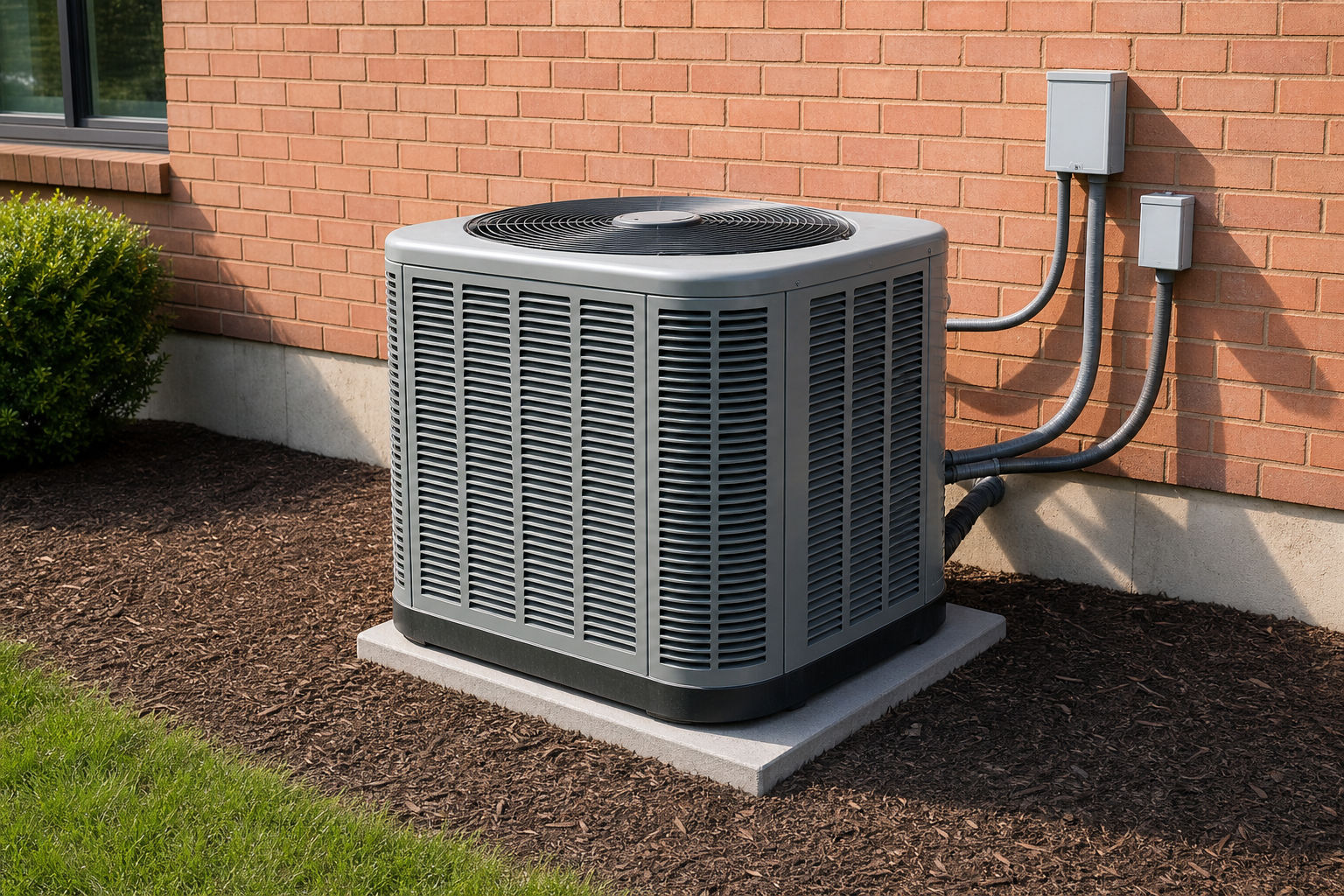
Even with excellent maintenance, every HVAC system has a service life. If repairs are becoming more frequent, efficiency has dropped noticeably, or comfort is inconsistent despite service, it may be time to compare continued repair costs against the benefits of replacement. Newer systems can offer better efficiency, improved humidity control, quieter operation, and more consistent performance when properly matched to the property.
That does not mean every older system should be replaced immediately. The right answer depends on age, condition, repair history, system sizing, and current performance. If you are weighing that decision, review Should You Repair or Replace Your AC in 2026? A Local Guide for Charleston-Area Property Owners or Should You Repair or Replace Your AC Before Peak Summer?. For a broader view of comfort, efficiency, and repair considerations, see what local homeowners and business owners should know about HVAC comfort, efficiency, and repair decisions in 2026.
Simple Habits That Help Systems Last Longer
Between professional visits, a few routine habits can make a meaningful difference. Check filters regularly, keep outdoor equipment clear, make sure vents stay open and unobstructed, and pay attention to any change in sound or performance. Avoid ignoring small issues because HVAC systems are interconnected; one neglected problem can affect airflow, electrical performance, drainage, and overall system strain.
For local property owners, the goal is not just avoiding breakdowns. It is creating a more dependable comfort system that supports lower stress, better indoor conditions, and more predictable operation year-round. When your HVAC system is inspected on schedule and serviced as conditions change, you are far more likely to avoid emergency calls and maintain efficient performance in every season.
Source: maintaining your air conditioner