How to Make Smarter HVAC Decisions for Your Home or Business in 2026
What You'll Learn
- How to compare repair vs. replacement with less guesswork
- What to prioritize for comfort, efficiency, and reliability
- How local climate and property use affect HVAC choices
- Which maintenance steps help reduce costly breakdowns
- What to ask before scheduling HVAC service or installation
Making smart HVAC decisions in 2026 is about more than reacting when your system stops working. For homeowners and business owners in the local area, the best choices usually come from balancing comfort, operating cost, equipment age, building demands, and long-term reliability. Whether you manage a storefront in downtown Charleston, own a home in Mount Pleasant, or oversee a property in Summerville, a thoughtful HVAC plan can help you avoid emergency calls, control energy use, and keep indoor spaces consistently comfortable.
Today’s heating and cooling decisions also require a practical view of how your property is actually used. A family home with uneven temperatures has different needs than an office with long operating hours or a retail space where customer comfort matters every day. If you are trying to build a stronger foundation before making changes, start with A Practical 2026 HVAC Guide for Homeowners and Business Owners and A Local HVAC Guide to Better Comfort, Lower Energy Costs, and Smarter Repair Decisions.
Start With the Real Problem, Not Just the Symptom
One of the most common HVAC mistakes is treating a symptom as the full problem. Warm rooms, weak airflow, short cycling, rising utility bills, and noisy operation can all point to different root causes. In some cases, the issue is a worn component. In others, it may be poor airflow, duct leakage, an oversized or undersized system, thermostat issues, or deferred maintenance. Smarter decisions begin with a clear diagnosis instead of assuming the most expensive fix is automatically the right one.
For example, if your AC is icing over during hot weather, replacing equipment may not be the first answer. Restricted airflow, refrigerant issues, or dirty coils can all contribute. Our article Why Your AC Keeps Freezing Up in Summer and What to Do Next explains why identifying the cause matters before committing to a repair or replacement plan.
- Document hot and cold spots, unusual sounds, and run times
- Note whether issues happen all day or only during peak weather
- Compare current utility costs to past seasons if available
- Ask for a diagnosis that explains cause, urgency, and options
Know When Repair Makes Sense and When Replacement Is Smarter
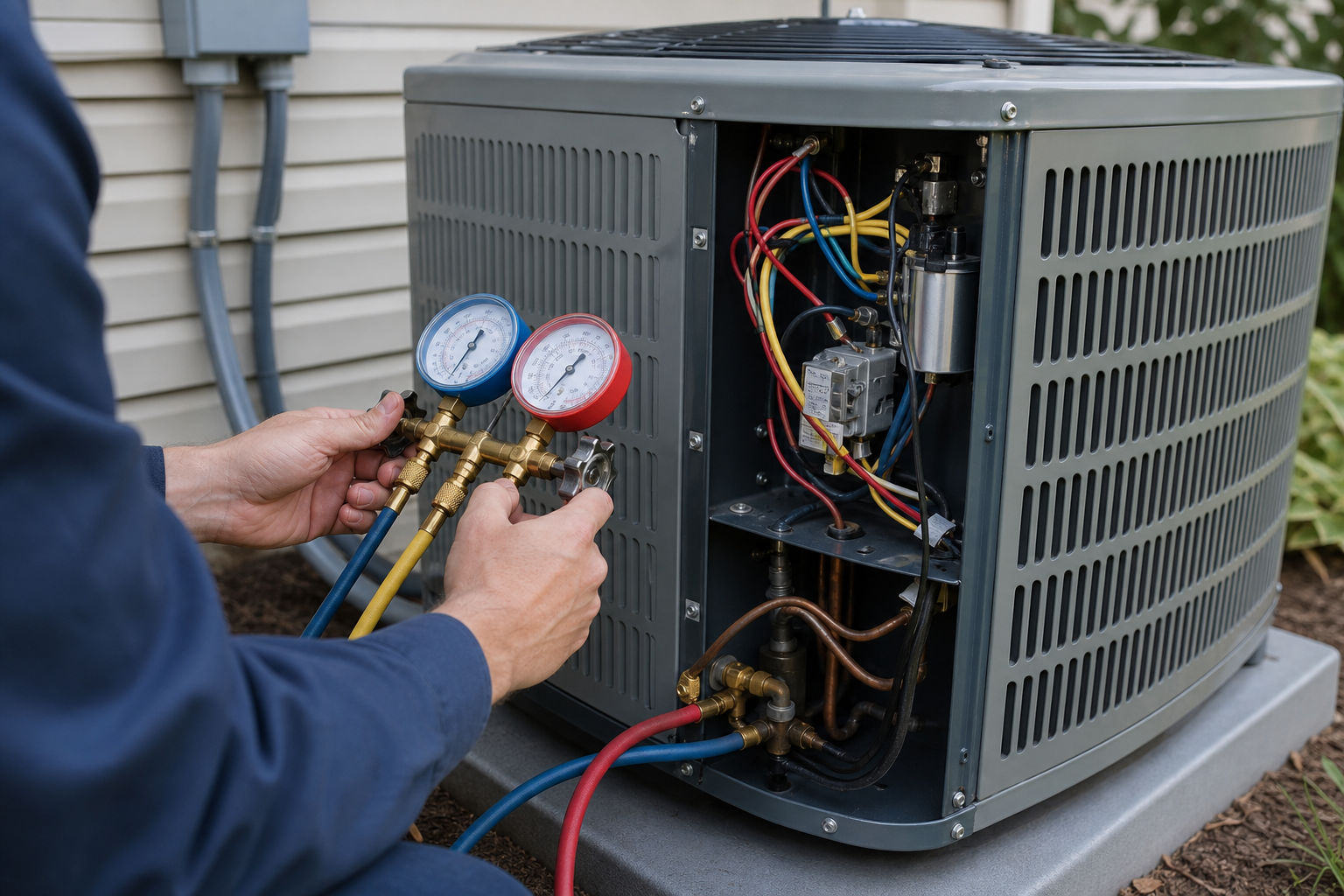
In 2026, the repair-versus-replace decision is still one of the biggest questions local property owners face. A repair often makes sense when the system is relatively young, the issue is isolated, and the equipment has otherwise been dependable. Replacement becomes more compelling when repairs are becoming frequent, efficiency has dropped, comfort is inconsistent, or major components are failing on an older system. The right choice is not only about today’s invoice; it is about what you are likely to spend and experience over the next several years.
If you are weighing that decision now, Should You Repair or Replace Your AC in 2026? A Local Guide for Charleston-Area Property Owners offers a helpful framework. In general, replacement deserves serious consideration when your current system struggles through summer demand in places like North Charleston, Goose Creek, or Hanahan, especially if comfort complaints and repair calls are becoming routine.
Focus on Total Value, Not Just Upfront Cost
Choosing the lowest bid can be expensive if it leads to poor sizing, weak airflow design, or equipment that does not match the building’s needs. Smarter HVAC decisions look at total value: installation quality, energy performance, expected maintenance needs, indoor comfort, and system lifespan. A lower upfront price may not be a better value if the system runs inefficiently or fails to address humidity, airflow, or zoning issues that affect the property every day.
For local homes and businesses, climate matters too. High heat, seasonal humidity, and long cooling demand can put significant strain on HVAC equipment. That is why efficiency, airflow, and preventive service are not extras; they are part of making a durable decision. If your goal is to reduce breakdowns during peak cooling season, see How to Keep Your AC Running Reliably Through a Charleston-Area Summer and How to Keep Your HVAC System Reliable, Efficient, and Ready for Every Season.
Questions worth asking before approving work
- Is the problem isolated, or does it suggest broader system wear?
- Will this repair improve comfort and efficiency, or only restore operation?
- Is the system properly sized for the building and its current use?
- What maintenance or airflow issues should be corrected at the same time?
- What are the likely next repair risks if I keep the current system?
Consider How the Building Is Used
Residential and commercial properties do not place the same demands on HVAC systems. A home may need better bedroom airflow, quieter operation, and more even temperatures from room to room. A business may need dependable performance during business hours, better control in customer-facing areas, or a plan that reduces disruption during service. Smarter decisions account for occupancy patterns, square footage, insulation, sun exposure, and whether parts of the building run hotter than others.
That local perspective matters. A restaurant near Charleston may face different cooling loads than a small office in Summerville or a family home in Mount Pleasant. If your system has always struggled in certain zones, replacing equipment without addressing ductwork, controls, or load issues may leave the underlying problem unresolved. The best HVAC decisions improve the way the space actually feels and functions, not just the equipment listed on paper.
Maintenance Is a Decision Tool, Not Just a Service Visit
Regular maintenance helps you do more than prevent breakdowns. It also gives you better information for future decisions. A well-maintained system is easier to evaluate because performance trends are clearer. You can see whether efficiency is slipping, whether parts are wearing faster than expected, and whether your equipment is still meeting the property’s needs. That makes it easier to budget for repairs, plan for replacement, and avoid emergency decisions during extreme weather.
For homeowners and local business owners alike, maintenance should include filter changes, coil and drain inspection, electrical checks, airflow review, thermostat verification, and attention to unusual noise or performance changes. The U.S. Department of Energy guidance on maintaining your air conditioner is a useful reference for understanding how upkeep supports efficiency and reliability.
Choose a Local HVAC Partner Who Helps You Plan Ahead
The smartest HVAC decisions are easier when you work with a local service provider that explains options clearly and evaluates your property as a whole. That means discussing current symptoms, equipment age, maintenance history, energy concerns, and how you use the space day to day. It also means getting recommendations that fit your goals, whether you want to extend the life of your current system, improve comfort in problem rooms, or prepare for a future replacement on your schedule instead of during an emergency.
If you own a home or business in the local area, the right next step is often a professional assessment that turns uncertainty into a practical plan. With the right guidance, you can make HVAC decisions in 2026 that support comfort, efficiency, and fewer surprises, whether your priority is stabilizing an existing system or investing in long-term performance.
Source: U.S. Department of Energy guidance on maintaining your air conditioner